New Ozempic Side Effect Is Sparking Panic
Could Ozempic Make You Go Blind? ‘Eye Stroke’ Claims Trigger Wave Of Lawsuits - Page 2

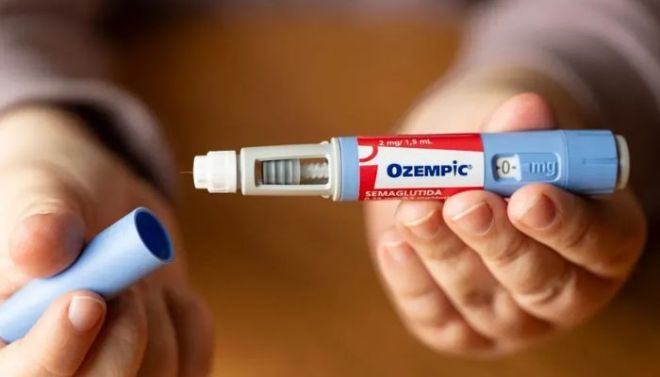
Concerns surrounding popular GLP-1 weight-loss drugs are mounting once again. After “Ozempic face” made headlines, a far more serious complication is now drawing legal scrutiny: reports of blindness.
According to Drugwatch and Reuters, lawsuits have increased since 2025 from users of Ozempic who claim the medication may trigger Nonarteritic anterior ischemic optic neuropathy (NAION), sometimes referred to as an “eye stroke.” The condition occurs when blood flow to the optic nerve is interrupted, potentially causing sudden, painless and permanent blindness.
RELATED CONTENT: Microdosing Ozempic? The Risky Weight-Loss Hack Doctors Say Could Backfire
The legal filings follow research suggesting GLP-1 users could face a heightened risk of developing NAION, Drugwatch reported.
“NAION … is a very serious and life-altering injury that can be caused by use of Ozempic or Wegovy,” Danielle Gold, an attorney at Weitz & Luxenberg, told Drugwatch during a Jan. 30 interview. “Novo Nordisk continues to promote and sell these products without any warning or discussion in their label regarding a risk of permanent vision loss.”
As of December 2025, court records cited by Reuters show 30 optic neuropathy lawsuits pending in federal court and more than 40 in state courts. Given expectations that additional cases will be filed, Ozempic-related blindness claims have been consolidated at both the state and federal levels, placing them before single judges to streamline proceedings. NAION cases were grouped in New Jersey state court in November and in federal court in December.
What is Ozempic and are there any other side effects?
GLP-1 medications like Ozempic are designed to mimic the body’s natural glucagon-like peptide-1 hormone, helping regulate insulin, blood sugar and appetite. By slowing gastric emptying and reducing hunger, they improve glycemic control in patients with diabetes and support weight loss. But these drugs are also associated with uncomfortable side effects such as nausea, vomiting, diarrhea, abdominal pain and constipation.
Blindness is the most extreme side effect claimed to have emerged from using the weight loss drug, but another widely discussed side effect, dubbed “Ozempic face,” made headlines late last year. It refers to the noticeable facial changes some users report following rapid weight loss, including facial sagging and earlobe thinning.
As previously reported, in a 2023 interview with the New York Times, Jennifer Berger described dramatic changes after taking Mounjaro, a drug similar to Ozempic and Wegovy.
“I remember looking in the mirror, and it was almost like I didn’t even recognize myself,” she said. “My body looked great, but my face looked exhausted and old.”
New York-based plastic surgeon Dr. Oren Tepper explained that facial volume loss is a known consequence of significant weight reduction, increasing the likelihood of “Ozempic face.”
“When it comes to facial aging, fat is typically more friend than foe,” he said. “Weight loss may turn back your biological age, but it tends to turn your facial clock forward.”
Additional lawsuits were filed over claims of gastroparesis.
Meanwhile, thousands of additional lawsuits have been filed over claims of severe gastroparesis, or stomach paralysis, a chronic condition in which damaged nerves prevent the stomach muscles from properly moving food into the small intestine, leading to severe digestive delays. Reuters noted that nearly 3,000 gastroparesis-related lawsuits are currently included in multi-district litigation.
Novo Nordisk, the manufacturer of Ozempic, has denied allegations related to gastroparesis and NAION. In court filings, the company argued that gastroparesis risks are already well known and that it cannot alter the drug’s design without approval from the U.S. Food and Drug Administration. In January 2025, Ozempic’s label was updated to state it is “not recommended in patients with severe gastroparesis,” though it does not indicate the drug may cause the condition.
In September 2023, the FDA also added an ileus warning to the Ozempic label. Ileus is a temporary condition where your intestine can’t push food and waste out of your body.
RELATED CONTENT: That Ozempic Headache Is Real — Here’s How To Beat It