6 Things Every Black Woman Needs To Know About Breastfeeding
Black Women Were Once Forced To Nurse Other People’s Babies. Now We’re Reclaiming Breastfeeding On Our Own Terms: 6 Things To Know
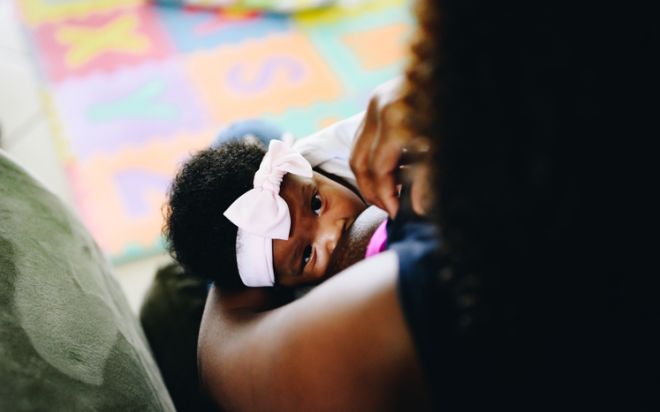
August is National Breastfeeding Month, established nationally in 2011 by the United States Breastfeeding Committee as a time dedicated to raising awareness about the benefits of breastfeeding, promoting support for breastfeeding families, and highlighting the myriad factors that can challenge the ability to breastfeed, in some cases making it impossible.
For many Black women, breastfeeding is about much more than simply feeding our babies. It is a deeply personal journey that connects us to our children, culture, and the generations of women who came before us. At the same time, breastfeeding can come with unique challenges, including limited access to lactation consultants and breastfeeding support services, shorter maternity leave periods, historical trauma, and social stigma, in addition to persistent racial bias and inequities in healthcare, resulting in lower breastfeeding rates among Black mothers compared to other racial and ethnic groups in the United States.
As a first-time mother of a soon-to-be 15-month-old toddler, I breastfed my daughter for nearly nine months, so I know firsthand the rollercoaster that is the breastfeeding journey. The oxytocin-filled highs from an intimacy unlike anything else in this world. The pride and gratification of leaving the doctor’s office and being told your baby has reached their weight gain goal. The indescribable joy you feel from the touch of your baby’s hand against your bosom as you pridefully provide them with nature’s most priceless “liquid gold.”
And then, there are also the lows, which are bountiful, unlike your milk supply. For example, even though you only went to sleep an hour ago, or in many cases, you are still up! Waking up at 4 a.m. to pump because, as the pediatrician informed you, your levels of prolactin, the hormone that helps your body produce milk, are highest at this time. The involuntary and intense irritation that possesses your entire being every time your spouse asks, “How much did you pump?” because after an hour of your nipples being tugged at more than a Stretch Armstrong doll, you only produced four ounces of milk, which your daughter quickly devoured before you’ve even reattached the flap of your oh-so-sexy nursing bra.
In short, breastfeeding is not for the faint of heart. Whether it comes easily for you or requires patience and persistence, every mother’s experience is valid and exclusively her choice to make. Therefore, understanding the advantages, obstacles, and available resources can help Black women make informed decisions that are right for themselves and their babies.
Here are six important points every woman needs to know about breastfeeding.
RELATED CONTENT: ‘Geriatric’ Or Not, I’m A Muva — Pregnancy Over Age 40 Is On The Rise & Has Never Looked Better [Op-Ed]
National Breastfeeding Month! From Rihanna To Cardi B — 20 Celebrity Moms Who Proudly Shared Their Breastfeeding Journeys
1. Breastfeeding Benefits Both Mother And Baby

Black women continue to face a maternal health crisis in the United States. Research consistently shows that we are significantly more likely to die from pregnancy-related complications than white women, and Black babies experience substantially higher rates of infant mortality.
Breastfeeding has the potential to help reduce some of these disparities. Breast milk provides optimal nutrition and protection against infections and illnesses during infancy. For mothers, breastfeeding has been associated with a lower risk of breast cancer, Type 2 diabetes, and high blood pressure.
Furthermore, Black babies are disproportionately affected by premature birth and low birth weight, making the protective benefits of breast milk especially important. Breast milk is easier for premature babies to digest and has been shown to reduce the risk of necrotizing enterocolitis (NEC), a serious intestinal disease and one of the leading causes of death among premature infants.
While breastfeeding alone cannot solve systemic health inequities, it remains a powerful tool for supporting the health of both Black mothers and babies.
2. Historical Experiences Have Shaped Breastfeeding In Black Communities
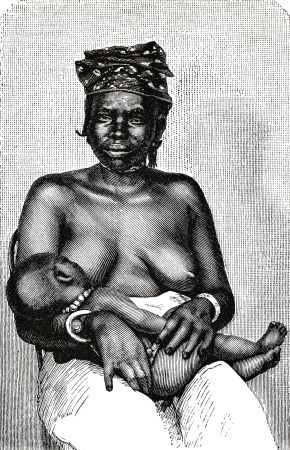
Black women’s experiences with breastfeeding have been shaped by a complex history rooted in slavery and the exploitation of our bodies, which has contributed to lower breastfeeding rates among us. During slavery, many Black women were forced to serve as wet nurses, a practice in which a woman breastfeeds a child who is not her own. This role was part of a broader system of oppression and dehumanization experienced by enslaved women. After giving birth, enslaved mothers were often separated from their own infants and required to nurse the children of white slaveholders instead.
As a result, their own babies were frequently fed inadequate substitutes that were mistakenly believed to provide the same benefits as breast milk. The lack of proper nourishment contributed to high rates of illness and death among enslaved infants. Enslaved women who resisted nursing their enslavers’ children often faced harsh punishment, including physical abuse, as they were treated as property rather than as mothers with rights and autonomy.
Recognizing this history is important because it helps explain why conversations about breastfeeding in Black communities often carry deeper emotional and cultural meaning. Understanding the past can help families make informed choices free from judgment or pressure.
3. Returning To Work Can Be A Challenge For Breastfeeding Mothers

For many mothers, returning to work and balancing family responsibilities makes continuing breastfeeding extremely difficult and creates concerns about pumping, storing milk, and maintaining supply.
Federal laws, including the Providing Urgent Maternal Protections (PUMP) for Nursing Mothers Act and provisions under the Fair Labor Standards Act (FLSA), require many employers to provide reasonable break time and a private space that is shielded from view and free from intrusion for employees to express breast milk for up to one year after childbirth, other than a bathroom, which is not considered a legal pumping space under federal law.
However, workplace challenges persist for Black women as we are disproportionately represented in hourly, service-sector, and frontline positions where scheduling flexibility may be limited. Many mothers return to work before breastfeeding is well established, making it harder to maintain their milk supply.
I am a full-time work-from-home mom, which means I work remotely while my daughter is also at home. Once I returned to work after my maternity leave, breastfeeding became increasingly difficult to keep up. My company’s lactation policy provided me with “30 minutes of break time” “to express breast milk,” and I was asked to create a feeding/pumping schedule, which is obviously not possible because, of course, there is no universal pumping schedule, as every mother, baby, and day is different.

So, for months I breastfed while I wrote, pumped on my lunch breaks, and every other possibility in between with formula feedings intermixed, until eventually, I made the decision to stop altogether because I simply did not have the time or the flexibility necessary to continue breastfeeding. Luckily, my daughter transitioned from breastmilk to full-time formula seamlessly. However, I did intend to breastfeed her for longer and still wish I had been able to do so.
For many breastfeeding mothers, workplace support can make the difference between continuing and discontinuing breastfeeding, so be sure to review both federal and state laws because some states provide stronger protections, paid pumping breaks, or expanded lactation accommodation requirements.
Many working moms are unaware that employers must comply with whichever law (federal, state, or local) offers them the strongest protection and in some cases, your breaks must be paid. To learn more about your state’s rules, visit the Center for WorkLife Law Map.
4. Breastfeeding After A C-Section Can Be Difficult Or Delayed, But It’s Possible
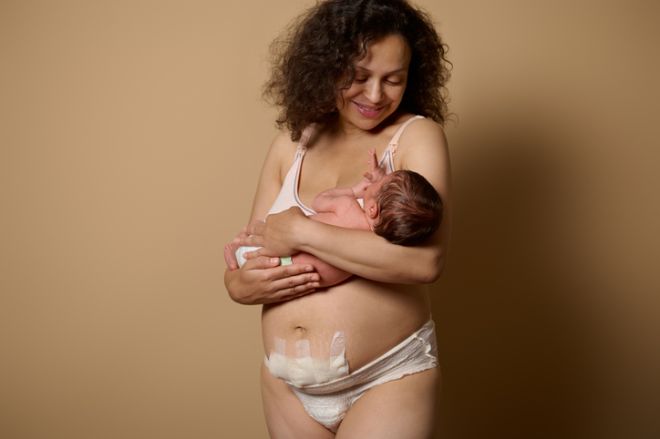
One of the most common concerns new mothers have is whether breastfeeding is possible after a cesarean (C-Section) birth. And whether your C-Section is planned or unplanned, the answer is yes.
As someone who breastfed immediately after undergoing an emergency C-Section, I can personally attest that it is absolutely achievable. While it may require some extra patience, many mothers can begin skin-to-skin contact and breastfeeding shortly after surgery in either the operating room or recovery area.
Early breastfeeding helps stimulate milk production and reinforces the mother-baby bond. During this time, colostrum, the nutrient-rich first milk, provides everything your newborn needs.
However, may slightly delay mature milk production because of:
- Surgical stress
- Labor medications or epidurals
- Delayed first feeding
- Reduced feeding frequency in the first few days
- Increased newborn sleepiness
Recovery from a planned C-Sections tends to be faster than recovery from an unplanned one because with an unplanned C-Section your body has gone into labor and the surgery usually happens very quickly. Still, both planned and unplanned cesarean births are major surgery. Therefore, it’s essential to manage post-operative pain with safe medications, including ibuprofen and acetaminophen, which can help mothers stay comfortable enough to breastfeed effectively.
The position in which you choose to breastfeed is entirely up to you and depends on your comfortability. Personally, my favorite nursing position was the Football Hold, also known as the Rugby Hold. By positioning the baby under the arm and alongside the body, pressure on the healing incision is minimized, making nursing more comfortable during recovery. Another reason I like this position is because as your baby gains strength and eventually learns to stand, or if you’ve got an aspiring soccer player on your hands like me, their favorite place to kick and position their little feet are right in that C-Section/fupa area. So at least in this position you can try to secure their feet under your arm…Emphasis on try.
5. Can You Breastfeed While Taking GLP-1 Medications?
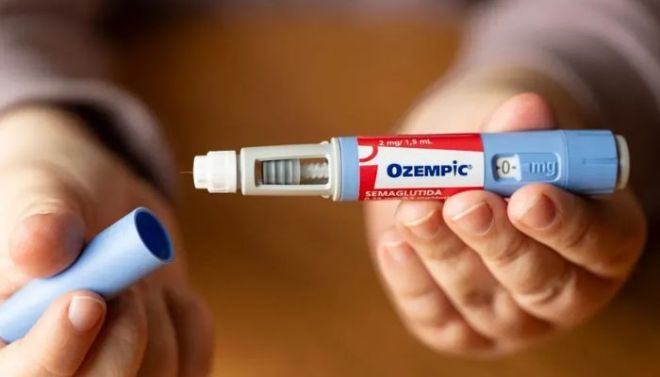
As the popularity of GLP-1 medications such as Ozempic, Wegovy, and Rybelsus has increased, many postpartum women have questions about their safety during breastfeeding.
GLP-1 receptor agonists were originally developed to treat Type 2 diabetes but are now widely used for weight management. Their growing popularity has influenced conversations about postpartum weight loss and body image.
According to data published by LactMed, semaglutide has not been detected in the breast milk of mothers using injectable forms of the medication. Additionally, no adverse effects were reported among breastfed infants in the limited studies available.
However, caution is still advised. Oral semaglutide products such as Rybelsus contain salcaprozate sodium, an absorption enhancer that could potentially enter breast milk.
Current recommendations suggest that:
- Injectable semaglutide may be considered under medical supervision.
- Oral semaglutide products should generally be avoided while breastfeeding.
- Mothers should always consult their physician, endocrinologist, or obstetric provider before starting or continuing a GLP-1 medication during lactation.
Because research remains limited, personalized medical guidance is essential.
6. Where To Get Breast Milk If You Cannot Produce Your Own Or Enough
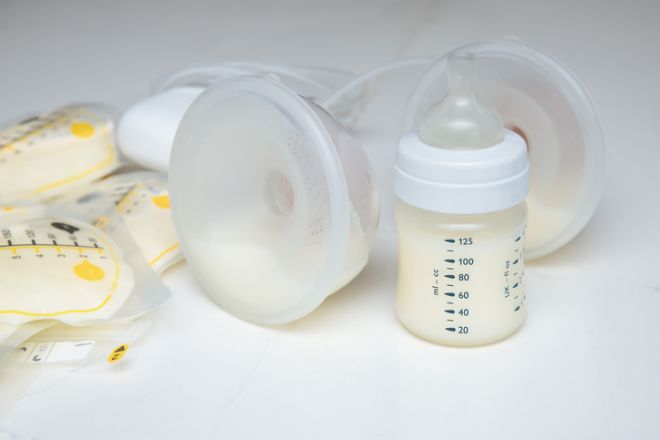
Not every mother can exclusively breastfeed, and some may struggle with low milk supply despite their best efforts. Fortunately, donor milk is an option for many families and can be a life-saving intervention for babies who need it most. This is the reason why breast milk is often referred to as “liquid gold.”
Founded in 1985, the Human Milk Banking Association of North America (HMBANA) accredits nonprofit milk banks throughout the United States and Canada. These milk banks follow rigorous screening, processing, and safety standards to ensure donor milk is safe for infants.
It’s important to note that donor milk is often prioritized for:
- Premature infants
- Very low birth weight babies
- NICU patients
- Medically fragile newborns
However, many milk banks also provide donor milk to healthy term infants. Families may seek donor milk for many reasons, including:
- Adoption
- Surrogacy
- Previous breast surgery or mastectomy
- Medical complications
- Low milk supply
Processed donor milk generally costs between $4 and $6 per ounce, although some insurance plans and Medicaid programs may offer coverage depending on the state and circumstances. Many nonprofit milk banks also have financial assistance programs.
Screened donor milk can be obtained through organizations such as:
Parents should avoid obtaining milk through online marketplaces or unscreened individuals because of potential risks related to contamination and infectious diseases.
Every Feeding Journey Is Valid And Matters
Breastfeeding is a powerful tool for improving maternal and infant health, particularly within Black communities that continue to experience disproportionate health disparities. Yet successful breastfeeding requires more than just determination. We need support from our healthcare providers, policymakers, employers, families, and communities.
It is also imperative to remember that not every mother can or chooses to breastfeed. Some women may combine breastfeeding and formula feeding, while others may use formula exclusively for medical, personal, or practical reasons. Alternatives such as donor milk and formula can also help to ensure that babies receive the nutrition they need to thrive.
Still, if you choose to and can breastfeed, be it for a couple of days, a few months, or several years, every drop of liquid gold matters. National Breastfeeding Month reminds us that supporting Black mothers means ensuring that everyone has access to the resources, education, healthcare, and workplace protections necessary to make the feeding choice that works best for her family.
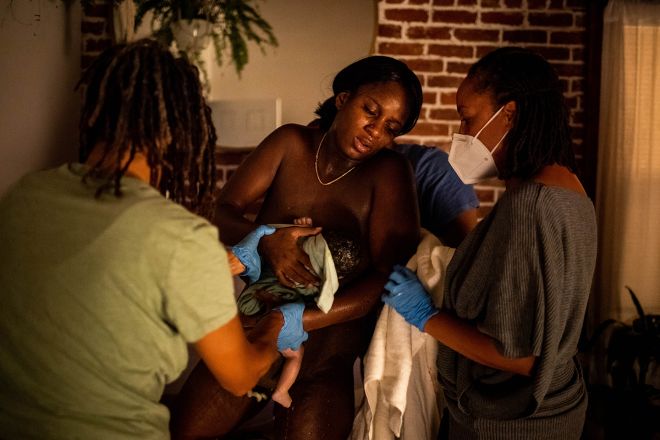
As Black women, we face external expectations and judgments. But, in truth, our internal convictions often scream louder than our hungry babies, so we must approach breastfeeding with knowledge, assurance, and self-compassion.
Breastfeeding is a practice that has long existed within Black communities, carrying with it a complex past that persists today. But when we see stories that reflect our experiences, it can help reduce feelings of isolation and boost confidence in feeding choices. With this article, I hope I’ve done my part to represent breastfeeding Black mothers.
RELATED CONTENT: Tupac’s ‘Dear Mama’ Hits Different On National Working Moms Day And, Really, Every Day — The Brutal Truth About Working-Mom Guilt [Op-Ed]