Locs 101: The Ultimate Beginner's Guide
The Truth About Starting Locs 101 — What No One Tells You About The ‘Ugly Stage,’ Retwists & Real Growth - Page 6
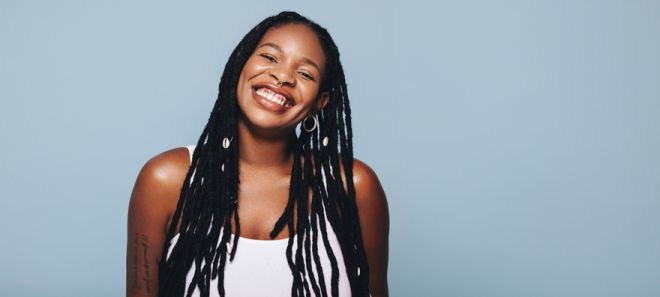
Thinking about starting your loc journey? Whether you’ve been saving inspiration photos for months or you’ve finally decided it’s time to embrace the beauty of locs, one thing is certain: patience is the secret ingredient. Locs aren’t just a hairstyle; they’re a journey. From choosing the installation method that’s right for your hair to learning how to properly care for your scalp and strands, every stage plays a role in creating healthy, thriving locs. The good news? With the right routine and a little consistency, your locs can flourish for years to come. So, how do you start locs and maintain them?
If you’re just getting started, watching a licensed loctician demonstrate the dos and don’ts of starter locs is always a great first step. In the meantime, here’s everything you need to know before taking the plunge.
RELATED CONTENT: Low-Maintenance Hair Style Ideas For Busy Black Women
Choosing The Right Way To Start Your Locs.
There isn’t a one-size-fits-all approach to starting locs. The best method depends on your hair texture, length, lifestyle and the overall look you’re hoping to achieve.
Comb coils are one of the most popular options for people with short to medium-length coily hair. A loctician uses a single-prong comb to twist small sections into neat cylindrical coils that eventually mature into locs.
Two-strand twists are another favorite, especially for those with longer hair. This method creates a thicker foundation while giving you more immediate length from day one. TikTok star Kiyailese opted for two-strand twists for her starter loc journey, and they came out amazing.
If you’re constantly on the go or have finer hair, interlocking might be your perfect match. This technique uses a specialized tool to weave the end of the loc back through the root, creating a secure foundation that’s less likely to unravel between maintenance appointments.
Braids are another reliable option. While they take longer to lose the braid pattern and fully mature into locs, they’re great for beginners who want extra stability during those first few washes.
For those with straighter or wavier hair textures, or anyone who doesn’t want to wait months for the locking process, instant locs use a tiny crochet needle to manually mat the hair, giving the appearance of mature locs almost immediately.
Welcome To The Starter Loc Phase.
The first six months are often called the “baby loc” stage, and while it can test your patience, it’s also one of the most exciting parts of the journey. Your hair is slowly learning to knot, bud and transform into permanent locs.
-

ESPYs 2026 Red Carpet — A Masterclass In Black Love And Luxury Style - Page 6
-

The Carters Kick Off Night 1 Of Jay-Z 30 Concert Series — Beyoncé Bops To ‘Can’t Knock The Hustle,’ Blue Ivy Plays Piano, & More History-Making Highlights - Page 6
-

Thinking About Pulling A Jay-Z? 11 Essential Tips You Should Know Before Combing Out Your Locs - Page 6
One of the biggest misconceptions is that you shouldn’t rush to wash your hair, but that’s absolutely not true. Washing your hair consistently will provide a healthy foundation for your locs to flourish and will reduce the risk of product buildup. According to experts over at Dr. Locs, every two to three weeks post-install is a healthy timeframe.
“With locs you want them to be light and fluffy and moveable,” shared YouTuber and politician Courtney Grayton in 2021 about the start loc maintenance process. She noted that when retwisting, it’s important to avoid heavy styling products such as beeswax or heavy gels or butters that can cause flakes and buildup.
When wash day finally arrives, gentle is the name of the game. Many locticians recommend washing with a mesh stocking cap over your locs so the shampoo can cleanse your scalp without disturbing the twists underneath.
You should also put traditional cream conditioners on pause. Although they work wonders for loose natural hair, they can interfere with the locking process and leave behind residue that becomes trapped inside developing locs.
Retwisting is another area where less is definitely more. Retwisting every four to six weeks is typically enough to keep your roots looking neat without putting unnecessary stress on your scalp. Over-manipulating the roots can eventually lead to thinning and traction damage, shared Grayton.
“Locs can be neat, but also very unhealthy,” she said flat out.
Don’t forget to separate your locs regularly after showering. Gently pulling them apart at the roots helps prevent neighboring sections from marrying together as your hair matures.
Once Your Locs Mature, Your Routine Changes.
After about six months, your locs begin to bud and strengthen. At this point, your focus shifts from preventing unraveling to maintaining moisture, preventing buildup and protecting the integrity of each loc.
Healthy locs thrive on hydration, not heavy products.
Instead of coating your hair with thick creams or butters, keep your locs refreshed by lightly misting them with rosewater and aloe vera throughout the week. Once hydrated, seal in that moisture with lightweight oils like jojoba or grapeseed oil. These oils nourish the hair without creating the sticky buildup that heavier products often leave behind.
Loc Inspiration From Our Favorite Celebrities.
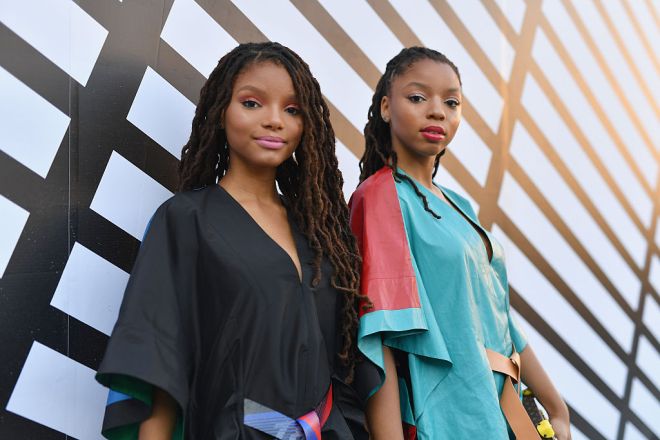
If you ever need styling inspiration, look no further than Halle Bailey and Ava DuVernay. From red carpets to magazine covers, both women continue to prove that locs are versatile, elegant and endlessly creative.
During an interview with InStyle in April, Halle Bailey opened up about starting her locs as a child and why they’ll always be part of who she is.
“They are a very big part of who I am. I feel like they’re a part of my identity,” she told the outlet. “Especially as Black women. It’s our crown.”
Bailey also shared how much she enjoys experimenting with different looks, drawing inspiration from legendary women like Billie Holiday, who often wore flowers in her hair, and Nina Simone, whose natural beauty became iconic. She also praised her hairstylist Tinisha for continuously finding creative ways to style her locs with beads, updos and extensions.
“You can do it all and that’s what I try to show people.”
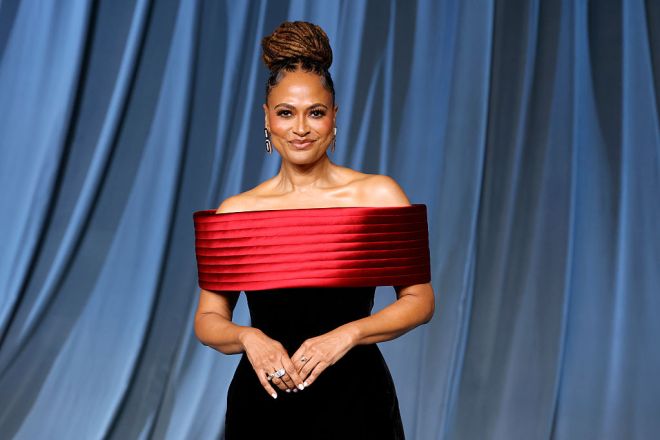
Director Ava DuVernay is another loc icon whose hair journey is deeply personal. Beyond their beauty, her locs represent freedom, self-acceptance and reclaiming her identity after years of feeling pressured to conform to Eurocentric beauty standards.
Reflecting on that journey during a 2022 interview with InStyle, DuVernay shared:
“It was my journey with my hair, as I started to become more conscious about my history and my culture. I was putting chemicals in my hair so it would look like your hair. I had to decolonize myself and say, ‘Is the hair growing out of my head in that texture?’ And, ‘What does it look like if it just grows out?’ People who wear locs have different ideas about it, but for me, it was a journey of becoming more myself. When I opened my PR firm [The DuVernay Agency] at 27, I was trying to be more mature for my business and wanted to portray being older and more accomplished. … But the beauty of age is that you get to a point where it’s like, ‘The things I needed to feel tethered or anchored, those do not have meaning, and I can be free.’”
She also reflected on how dramatically attitudes toward Black hair have changed during her lifetime.
“In one generation I’ve seen the change. The natural and synthetic styles are embraced. Everything is on the table. The generation before me was like, ‘It is preferred that you wear your hair in this way.’ Historically, there were moments when Black women who worked as domestics in white homes were not allowed to work if their hair was not pressed or permed. Their natural hair was seen as offensive. That starts to embed itself in the DNA of people — that straight, Caucasian-looking hair is better and preferred. Now it’s every braid or Afro puff or texture, controlled or out of control. And I think it’s exceptional. I don’t think we talk enough about the shift that’s happened just in one lifetime.”
Whether you’re preparing for your very first retwist or celebrating years of healthy, flourishing locs, remember that every loc journey is unique. There will be frizz, budding, awkward stages and plenty of patience required along the way, but there will also be growth, self-expression and the freedom to embrace your natural beauty.
Trust the process, protect your hair and enjoy every stage of the journey.
RELATED CONTENT: Thinking About Pulling A Jay-Z? 11 Essential Tips You Should Know Before Combing Out Your Locs