Life After Ozempic? What Happens After You Stop Using GLP-1s
Ozempic’s Secret Second Act — The Harsh Truth About Life After You Stop Using GLP-1 Medication - Page 3
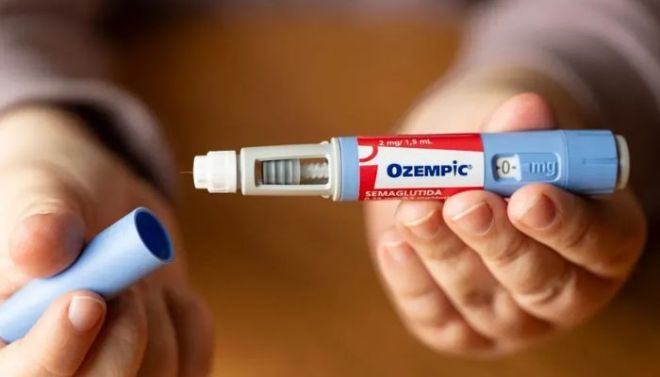
Adjusting to life after stopping Ozempic can be challenging for many people. GLP-1 medications like Ozempic are prescribed for a variety of conditions, including obesity, diabetes, and blood sugar regulation, so coming off the medication can affect both the body and mind in different ways. However, with the right support, healthy habits, and guidance, managing these changes becomes much easier. Here’s what life after Ozempic can look like.
1. The Weight Can Come Back.
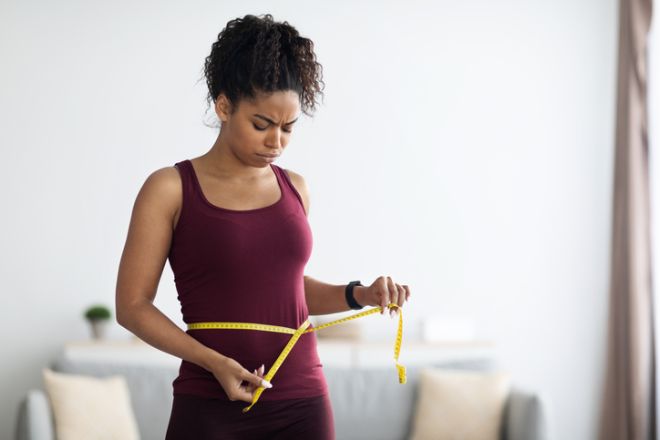
Ozempic works by mimicking a natural hormone in the body called GLP-1 (glucagon-like peptide-1), which is released after eating. The medication helps regulate blood sugar by increasing insulin production when needed and reducing the amount of sugar released by the liver. It also helps manage appetite and cravings, especially when paired with a reduced-calorie diet and regular physical activity.
RELATED CONTENT: The Truth About The ‘MIND Diet’ And Why It’s Good For Black People
Once someone stops taking Ozempic, this process slows down and appetite often returns to its previous state. Because feelings of fullness decrease and cravings can come back, regaining weight is common. A study from the University of Cambridge found that one year after stopping weight-loss drugs like Ozempic and Wegovy, people regained an average of 60% of the weight they had lost. However, researchers also noted that many individuals still maintained about 25% of their total weight loss long term.
Still, there are ways former Ozempic users can help prevent significant weight regain. Robert Kushner, MD, a professor and director of the Center for Lifestyle Medicine at Northwestern University Feinberg School of Medicine in Chicago, told Everyday Health in 2025 that maintaining healthy habits is essential after stopping the medication.
“Ozempic should always be taken along with making healthy lifestyle changes in diet and physical activity,” Kushner says. “These changes should be continued even after stopping the medication and can help maintain some of the health benefits seen with body weight and blood sugar control.”
A 2024 study also found that following a structured exercise plan helped participants maintain weight loss for a full year after discontinuing GLP-1 medications.
2. Food Anxiety May Return — Along With the Loss of Routine.

Many Ozempic users experience major shifts in their relationship with food. While the medication is known for reducing cravings and “food noise,” losing that constant appetite can sometimes create emotional challenges as well. For people who previously used food for comfort or stress relief, the sudden absence of those urges can feel unfamiliar or isolating.
After stopping the medication, those thoughts and anxieties around food may intensify. Some people find themselves worrying about losing control of their appetite or undoing the progress they made while taking the drug.
Writer Joshua Hunt reflected on his experience coming off Ozempic in an Esquire article published May 15. After improving his eating habits and finding supplements to support his health, Hunt admitted he became anxious about regaining the weight after his appetite returned.
For him, the medication had done more than help with weight loss, it also improved his confidence and changed the way he viewed himself after years of shame and self-criticism.
“My anxiety had to do with more than just gaining back weight. Ozempic had also relieved me of a somewhat nihilistic view of my own body; past a certain point, obesity forces a person to choose between self-loathing, self-acceptance, and what might be called self-avoidance,” he wrote. “To put aside the punishing social, medical, and existential realities of obesity, I chose not to dwell on them and instead trained myself to think as little as possible about my appearance and my health. It was the only way of alleviating some of the stress that comes along with living in a body that is a source of both shame and anxiety.”
Hunt also realized how easy it was to lose the routines he had built while taking Ozempic and how much effort it would take to maintain them after stopping the medication.
“Now that I am off it, what I crave most is regaining that sense of control. The search for probably ineffective post-GLP-1 elixirs and supplements is really a way to preemptively address the fact that these healthy habits I’ve developed while taking Ozempic need to be kept up, that they may fall away in time if I don’t tend to them carefully.”
Although this transition can feel overwhelming, small lifestyle adjustments can make a major difference in your life after Ozempic. Experts at Ubie Health recommend increasing fiber intake by aiming for 25–30 grams per day from foods like whole grains, fruits, vegetables, and legumes. Fiber helps slow digestion, stabilize blood sugar, and reduce overeating triggers.
Practicing portion control can also help. Using smaller plates, measuring servings, and planning meals ahead of time may reduce impulsive or high-calorie eating choices.
Having accountability and support is equally important. Staying connected with friends, family members, or workout groups can help maintain healthy routines without making the process feel isolating. Joining a fitness class, cooking healthy meals with a friend, or participating in group activities like hiking can make healthy habits feel more enjoyable and sustainable.
3. Digestive and Physical Changes.
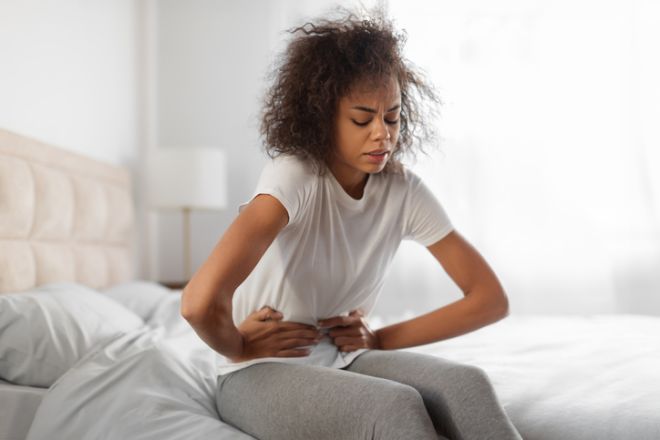
After stopping Ozempic, some people notice temporary digestive changes as the gastrointestinal system adjusts to functioning without semaglutide. Symptoms like nausea, bloating, or vomiting may occur during this transition period.
Researchers have also found that some of the broader health benefits associated with GLP-1 medications may lessen after discontinuation. According to Forbes, improvements in cardiovascular health, blood sugar levels, cholesterol, and blood pressure can begin to reverse once the medication is stopped.
Why Do People Stop Taking Ozempic?
According to Everyday Health, about 1 in 8 American adults have taken a GLP-1 medication, but more than half report that the drugs are difficult to afford. More than one-third of new GLP-1 users stop taking the medication within a year.
Others discontinue medications like Ozempic because of difficult side effects, including nausea, vomiting, and digestive discomfort, which can take a toll physically and emotionally.
It’s important for patients to speak with their doctor about ways to manage these side effects safely and effectively. Support from friends, family members, or healthcare professionals can also make the process easier. Navigating life after Ozempic can feel difficult at times, but many people find success by building sustainable routines, staying connected to support systems, and focusing on long-term health rather than perfection.
RELATED CONTENT: Microdosing Ozempic? The Risky Weight-Loss Hack Doctors Say Could Backfire