National Radio Day: The Cathy Hughes Legacy
She Created The Quiet Storm, Built Urban One And Changed Black Media Forever — Celebrating Cathy Hughes On National Radio Day - Page 2
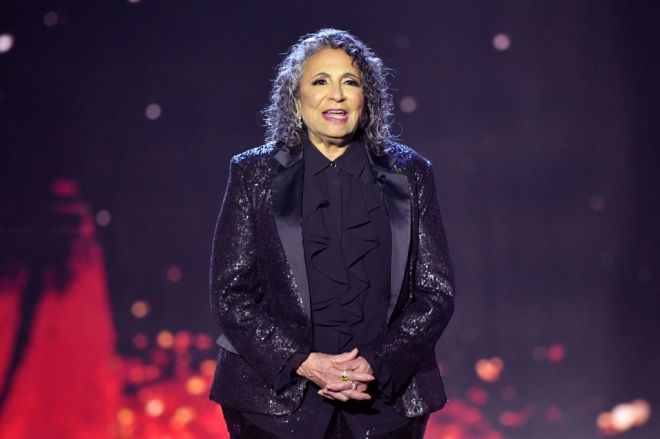
There’s a celebration at the headquarters of Urban One. Ms. Cathy Hughes, Founder and Chairperson of the largest Black-owned multimedia conglomerate in the nation, was awarded the key to the city on July 15 — a long overdue recognition in Washington, D.C., where she has spoken truth to power for over 55 years and counting.
“I am always thinking in terms of what’s next,” she says inside Radio One offices. “What’s the next thing to be done? I never think in those terms — that we won this. I just try to keep on moving forward,” she says about her latest honor.
RELATED CONTENT: Cathy Hughes Built an Empire: Celebrating 45 Years of Urban One’s Black Media Legacy
It’s that thinking that has landed Hughes ahead of the curve for decades. She has been a forward thinker and visionary, revolutionizing FM radio by creating and developing the Quiet Storm format — among many other firsts, including, but not limited to: the first woman vice president and general manager of a radio station in Washington, D.C.; the first woman to own a radio station that was ranked No. 1 in a major market; the first Black woman to head a publicly traded company; founder of the largest Black-owned broadcast company in the country; creator of the first 24-hour gospel radio show.
It’s no surprise that she is both thrilled to be granted the key to Washington, D.C., and still brewing up her next task.
Hughes cut her teeth in D.C. as an admin for Tony Brown at Howard University, where he was well known for his eponymous public affairs program, Tony Brown’s Journal — one of the most influential Black public affairs programs in the U.S.
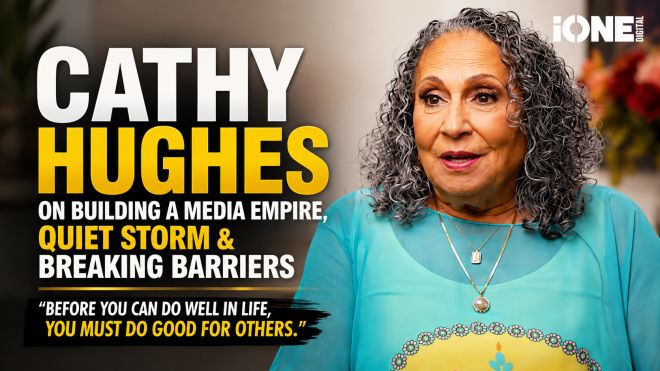
Brown died two days after Hughes was awarded the key to the city. He witnessed her work ethic at Howard at WHUR, promoting her from admin to sales manager to general manager and vice president.
As a general sales manager, she increased revenue by approximately $3 million. In 1976, as vice president and general manager, Hughes created the Quiet Storm along with then-Howard student Melvin Lindsey, who became the DJ playing slow jams, romantic ballads, and jazz in the evening, setting the mood for love.
As WHUR’s station manager, Hughes conceptualized the show’s format—even suggesting the use of the Smokey Robinson song as its title—and the station rose from 20 in ratings to No. 3, boosting revenues. In 1977, within a year of Lindsey hosting, the groundbreaking program became No. 1 in its time slot.
With Hughes’ leadership, rooted in her love for Black people and serving as a cultural lighthouse, the Quiet Storm showed advertisers that Black consumers were a pivotal demographic for ratings and revenue.
But Hughes wasn’t satisfied yet. Her next goal? Ownership.