Chadwick Boseman Estate Drama: Why Black Women Need A Plan
Chadwick Boseman. Malcolm-Jamal Warner. Two Estate Battles, One Painful Lesson Black Women Can’t Ignore [Op-Ed]
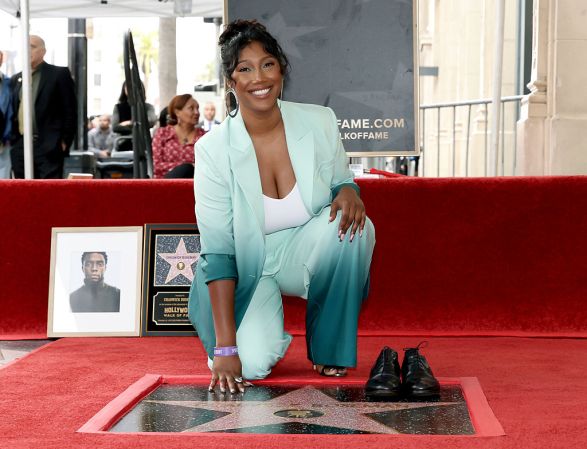
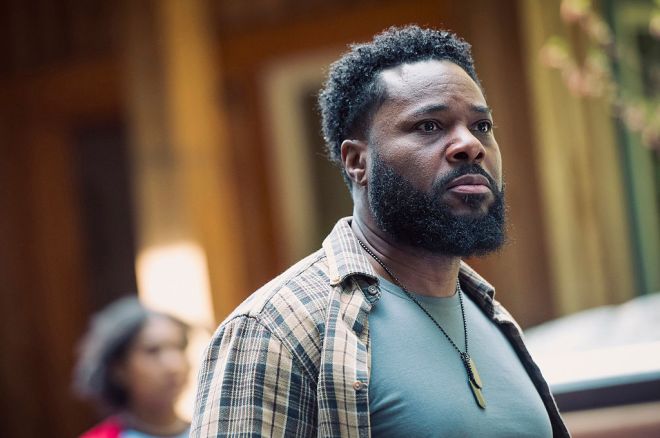
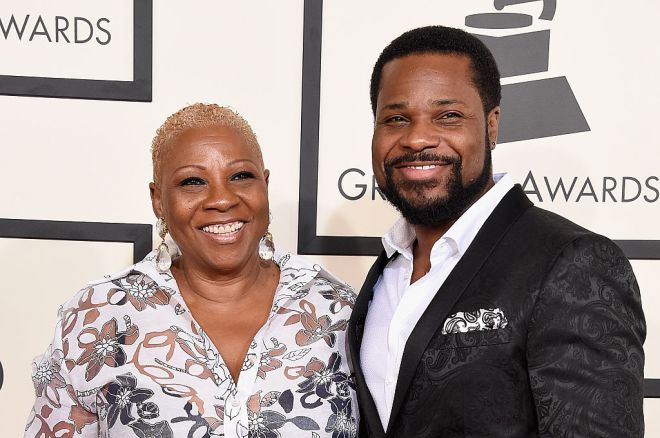
Just days ago, on the one-year anniversary of Malcolm-Jamal Warner’s tragic passing, his widow, Tenisha Warner, filed a $1.2 million lawsuit in DeKalb County Superior Court against his mother, Pamela Warner. The dispute centers on an unfulfilled prenuptial agreement, an outdated 1996 estate plan drafted long before his wife or daughter existed, and a family trust held in a vice grip. Almost simultaneously, across the country in Los Angeles, the brothers of the late Chadwick Boseman filed a petition on behalf of their aging parents to strip his widow, Taylor Simone Ledward, of her role as estate administrator, alleging millions in undistributed residuals, unmanaged intellectual property, and four years of radio silence.
To watch two of our revered cultural figures—men who spent their careers embodying Black nobility, warmth, and strength on screen—have their intimacy, earnings, and family structures dissected in court dockets is a hard watch. Still, if we only look at these headlines as celebrity news, we miss the urgent, overdue wake-up call screaming right at us. For starters, we have to do more to make sure we transfer generational wealth properly. Additionally, our collective reluctance to have hard, transparent conversations about estate planning is fracturing our families before the grief even has time to settle.
My initial reaction watching this play out was, “Bruh, there’s always some MESS!” Quickly behind that was a deeper frustration: Why weren’t these things handled by the men before they passed? In our community, we have a strong, protective tendency not to speak ill of the dead. However, pointing this out doesn’t land as speaking ill, but rather confronting the reality that this still happens to women, even when money and resources are present. Much like the adage that says we will all eventually end up 6’ under, regardless of stature in life, the issues we face around the death of our loved ones are universally the same.
While a partner’s desire to protect and cover his household is commendable, love alone isn’t a legal strategy. Passively hoping we’re taken care of is a dangerous gamble. Real security requires us as women to step out of the passenger seat, inspect the paperwork for ourselves, and know precisely what legal safeguards must be in place so we aren’t left fighting for our lives, our homes, or our legacies when grief strikes.
RELATED CONTENT: Chadwick Boseman’s Brothers Want His Widow Removed From His Estate — Accuse Taylor Simone Ledward Of Shutting Out His Parents
The Strain Between the Matriarch and the Wife
In Black culture, the bond between a mother and her son—especially a son whose success helped elevate or anchor the family—is treated as untouchable. For decades, Pamela Warner was Malcolm-Jamal’s mother, business manager, his original protector, and the co-architect of a career that gave us Theo Huxtable. Then came a wife, a child, and a new family unit.
When an adult son marries, the primary line of protection naturally shifts toward his wife and children. When a partner dies prematurely without a fully updated, ironclad estate plan that explicitly defines those boundaries, that shift becomes a battleground. Tenisha Warner’s lawsuit alleges that while Malcolm had every intention of updating his estate plan before his sudden death in Costa Rica, his affairs were still tethered to a document created in 1996. A 54-year-old married father’s financial legacy was still legally governed by the worldview of a 26-year-old bachelor.
When a man dies with an outdated plan—or, like Chadwick Boseman, with no written will at all—the law enforces cold, hard math. In Boseman’s case, the absence of a will meant his widow automatically received 50% of the estate, while his elderly parents were allocated 25% each. Nearly four years after a judge ordered that distribution, his family claims they haven’t seen closure, financial support, or access to the intellectual property generated by his iconic career.


When we look at how many women rely on marriage as the ultimate legal defense, we see a dangerous misconception play out over and over: the belief that a wedding ring automatically means you have access to everything without ever needing to look at the paperwork. So many women only find out who really owns family property, or discover hidden clauses in estate documents that prohibit them from living in the very home they built together, after their spouse has passed away. Being married isn’t enough. A ring gets you in the door, but it doesn’t build the legal walls that keep you protected.
Somita Basu, a licensed probate and trust administration attorney and strategic legal adviser at Real Estate Bees, says the consequences of dying without a comprehensive estate plan extend far beyond inconvenience.
“When a partner dies without a comprehensive estate plan, Black women are often faced with the prospect of going through the expensive and cumbersome probate process,” Basu explained. “The probate process drains time, energy, and funds from the estate, often forcing the survivors to sell real estate and other assets to pay for fees and costs.”
What happens in the wake of that legal vacuum is predictable, human, and devastating. The mother feels displaced, clinging to the legacy of the child she raised. The widow feels erased and vulnerable, fighting to secure the future of the child left in her sole care. The siblings feel protective of parents who are growing older while millions sit trapped in probate.
The anatomy of an estate crisis is painfully straightforward. An outdated or absent estate plan creates legal ambiguity around who should inherit and who has the authority to manage the deceased person’s affairs. Probate and court delays can then freeze assets, placing additional financial pressure on surviving spouses, children, and aging parents. Unspoken expectations create friction between the deceased person’s birth family and surviving partner, while public litigation drains the estate through legal fees and further depletes the generational wealth everyone is fighting to preserve.
The Cost of “We’ll Figure It Out Later”
We have to be honest about why this keeps happening in our community. For generations, Black folks were systematically excluded from building wealth, buying real property, or accessing financial systems. As a survival mechanism, we built a culture reliant on faith, oral promises, and unspoken understandings. We tell ourselves, “My family loves each other, they’ll work it out,” or “I’m too young to worry about a will,” or “I don’t want to talk about dying because it feels like speaking death over myself.” Pushing past that emotional or spiritual resistance comes down to peace of mind. Knowing that everything is handled should bring a sense of calm.
There is also a myth that if a partner isn’t wealthy, there is “nothing to lose.” When family disputes break out, the losses can go far deeper than just money. Deciding who gets to tell someone’s story is a massive piece of legacy. For famous figures, that looks like managing likenesses and catalogs of work, but for the rest of us, it’s who gets to write your obituary or handle your social media announcements when you pass. It’s the photographs, the personal journals, family heirlooms, gifts, and the dignity of how your life is celebrated at your homegoing service. Without a plan, all of it is at risk.
The vulnerability becomes even more severe for unmarried partners. While marriage provides certain baseline protections, a long-term partner may have no automatic legal claim to a shared home, business, or financial assets if the deceased did not explicitly document those intentions.
“Unmarried partners are at a significant disadvantage during trust and will contests,” Basu said. “A thorough and well-drafted estate plan is the best protection an unmarried partner can have. Absent an estate plan, the wishes of the deceased partner are almost impossible to determine, and the estate will most likely be distributed per intestacy laws, which make no provisions for unmarried partners.”
When our partners avoid putting their intentions in writing, they position us to inherit a legal battlefield. We are made to petition judges just to access what was promised. We end up spending hundreds of thousands of dollars in attorney fees, watching wealth that took a lifetime to build bleed out into courtrooms.
Redefining Love as Legal Clarity

True stewardship considers the unsexy, meticulous work of legal infrastructure. It is about loving our families enough to make our wishes unmistakable.
“To protect generational wealth and hard-earned assets, everyone should have a comprehensive estate plan,” Basu said. “It’s an act of love for those you leave behind.”
If we want to build a lasting generational legacy, we have to treat estate planning not as an act of preparing for death, but as an act of radical protection for the living. As women, initiating these conversations means stepping into our power as protectors of our households.
Basu recommends reframing the conversation as part of the financial transparency required in any serious partnership.
“If you are in a long-term relationship where you are dependent on your partner’s assets or income in any way for financial support, the estate planning conversation is key for the health of your relationship and your personal future,” she explained. “One strategy is to discuss estate planning as a sign of love and commitment between the partners, as well as sharing fears for the future if one partner dies.”
These conversations aren’t just for first-time newlyweds, either. They are important ones to have if you or your partner are entering a second marriage or navigating a blended family. If your partner was previously married, are you well-versed in his divorce decree, or are you assuming everything was cleanly severed? Are you familiar with what is legally earmarked for your stepchildren, and have beneficiary designations actually been updated on life insurance policies and retirement accounts, or is an ex-spouse still quietly listed?
When I got divorced, my ex-husband and I handled these things right away. Recently, before he and his new wife tied the knot, the two of them initiated a sit-down with me to address some of these questions. Their main priority was what should happen if he passed away, including ensuring our sons would continue their strong, loving connection with her. For me, it was an automatic “yes.” My boys adore her, and I wouldn’t have it any other way. It was also a way for his wife to confirm whatever needed to be confirmed. That sit-down was a lesson in intentional co-parenting and forward-thinking care.
Now, as I prepare to remarry in my late 30s, the conversations between my partner and me are anchored in a shared expectation. Our life will grow to be far more abundant than it is today. Even if we don’t yet possess every material asset we envision for our family, we are planning as if we already do. This abundance mindset allows us to lay the legal groundwork now to protect one another, safeguard our respective biological children, and secure the future of any children we may have together. The blessing of building a life at this stage is having seen enough families get trapped in probate court for years to know we want to avoid that at all costs. We are actively covering every base today so that our entire legacy is ironclad, no matter what turns life takes.
RELATED CONTENT: ‘I Had No Choice’ — Malcolm-Jamal Warner’s Widow Sues His Mother For $1.2M

What Estate Stewardship Requires
- Update your documents at every life pivot: A will or trust drafted in your twenties is completely useless once you marry, have children, acquire significant property, or start a business. Estate plans should be reviewed every three to five years, or immediately following major life events. A comprehensive estate plan, according to Basu, normally includes “a revocable living trust, a will, a power of attorney, and an advance health care directive.” Business interests, including S corporations, C corporations, LLCs, and sole proprietorships, should also be explicitly addressed.
- Formalize prenuptial and marital agreements: A signed agreement is only as good as its execution. If a prenup mandates life insurance policies, retirement contributions, or specific payouts, those accounts must be actively opened, funded, and reviewed with a financial adviser while both partners are alive.
- Separate business roles from family roles: If a parent or sibling served as your manager, agent, or trustee, ensure that corporate entities, including LLCs or family trusts, have explicit governance rules that account for what happens if you die. Ambiguity in business ownership guarantees family conflict.
- Protect the surviving partner’s right to remain at home: This is especially critical for couples who are not legally married. As Basu noted, an estate plan should explicitly describe the surviving partner’s right to reside in any real property, including “how long the partner is allowed to live in the property, what expenses are to be covered by the partner, and what happens in the case of the partner’s death.”
- Account for digital assets and intellectual property: Passwords, royalty accounts, cloud storage, social media pages, photographs, copyrighted works, and digital businesses can become inaccessible without proper planning. Basu recommends addressing digital assets within the estate plan and using a password manager that can be accessed by the surviving partner or another designated person.
- Communicate the plan before the crisis: The most loving thing you can do is hold a family meeting where parents, spouses, and key loved ones hear intentions directly. Leaving family to guess what someone “would have wanted” is a recipe for friction.
Honoring the Legacy
As the legal proceedings for both the Warner and Boseman estates move forward through the court system, there are no easy villains here. What we are witnessing is the messy, painful intersection of real grief, structural legal delays, and the fragile transition of legacy.
Pamela Warner deserves to have her decades of devotion and motherly stewardship honored. Dr. Tenisha Warner deserves the financial security and support promised to her as a wife and mother raising a young daughter alone. The Bosemans deserve the peace and support promised to them in their golden years. Taylor Simone Ledward deserves the space to grieve her husband without navigating years of probate friction.
In watching this play out, Black women should reframe estate planning not as an uncomfortable task for “someday,” but as an important form of self-care today. Don’t wait for grief or tragedy to reveal where you stand legally. Take charge of your future right now: initiate the dialogue at home, hire the professional, look at the beneficiary forms with your own eyes, and put everything in writing. You deserve the peace of mind that comes with knowing that no matter what life brings, your home, your children, and your hard-earned security are completely secure.
RELATED CONTENT: This Legal Expert Is Teaching Families How To Prepare for Death—Without Losing Everything And Avoiding Probate Court [Exclusive]