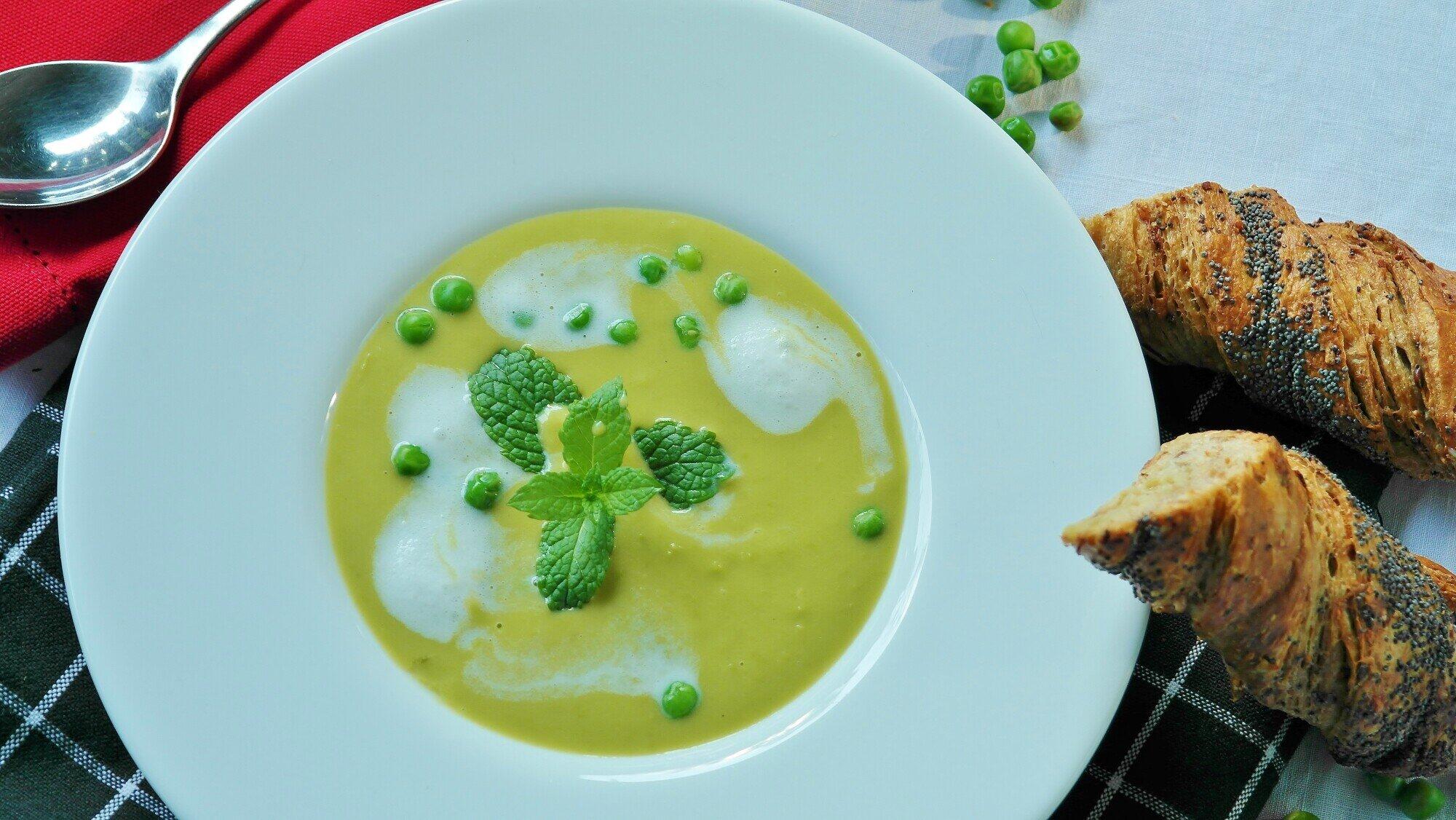
Cooking therapy takes something we all need, which is food, and uses it as a way to boost mental health and address certain psychological challenges. Participants benefit from the heightened sensory engagement combined with mindfulness and repetitive motions.
Enjoy a sense of accomplishment when creating a new dish from scratch or connect ancestrally with others through culturally rich dishes from sweet potato pie to gumbo.
A 2018 study by Farmer, Touchton-Leonard, and Ross in Health Education Behavior cited a link between decreased mortality and frequent cooking among elderly women in Taiwan. This approach can help Black Americans desiring a healthy and creative outlet to build family, friendship, and community bonds.
Households and individuals can easily adapt community-based nutrition initiatives, exchange recipes, and encourage other healthier behaviors.
Culinary therapy is very real as it allows participants of all ages to be mindful of all their senses at the same time. Touch different food textures and see how the food transforms as you cook. Hear the sound of catfish frying or taste a sample of your soup to see what else you should add. Of course, your sense of smell will have a field day.
You don’t have to be a top chef to enjoy all of the physical benefits of cooking. Step away from the TV and get on your feet to gather ingredients, chop, and mix up. Test your concentration and alertness skills when something is cooking, as your senses tell you when it’s done.
Knowing how to cook increases your sense of independence and sustainability, more so if you have gardening skills. For gardeners, imagine the joy in plucking something you cultivated from seed to harvest, only to lovingly cook and eat it with others. Culinary therapy can help bring the cycle of food sustenance full circle.
As you build cooking skills, it’s easier to control your diet, which has a mental effect. A produce-rich diet with elements from omega-3s to vitamin B can help reduce anxiety and stress levels, according to a 2023 study by Heidari, Jokar, Madani, et al., for Nutrients.
How Can Cooking Therapy Help Black Americans?
Source: dragana991 / Getty
Black people can gain mental wellness through cooking, as it creates a safe space for emotional expression and is judgment-free. Honor family recipes and cultural traditions by trying your hand at the:
Potato salad
Macaroni and cheese
Shrimp and grits
Corn muffins
Catfish croquettes
Try therapeutic cooking techniques such as cooking with friends or your partner. As you cook with others, share the oral history of a dish to pass down your lineage.
Step outside your known network and consider group classes, which can provide an easy way to meet others in a positive setting.
A yummy sun-dried tomato flatbread recipe is nutrient-dense and a healthy alternative to fast-food pizza. Add more veggies and protein-packed goat cheese.
Risotto is a great dish to try, as you must constantly stir it and remain present in the kitchen. The stirring and concentration forces soothing and smooth techniques that can almost become meditative.
As you use cooking therapy to connect with heritage by incorporating foods found throughout the diaspora, start with some collard greens or sauteed kale with sweet potatoes. As summer heats up, have fun with watermelon by creating a fresh Watermelon Caprese salad (replace the tomatoes with it).
Okra and tomato stew is another comforting vegetable dish that is light and hearty at the same time. Create your own version of Peanut stew, a West African tradition that combines chicken, vegetables, and peanut butter.
If you don’t feel like cooking, put together a cold, creative charcuterie board with cheeses, fruits, and other veggies. Have fun and arrange them into shapes like faces or team emblems.
Frequently Asked Questions
What Are the 5 P’s of Cooking?
The 5 Ps include:
Presentation
Preparation
Planning
Pride
Passion
Planning sets the stage for the who, what, and when of your meal. Work on your menu and check your ingredient inventory before starting.
Many consider preparation the most critical step, as it involves organizing and preparing everything before you put it on the stove or in the oven.
People often start eating with their eyes first, so a beautiful presentation helps. Consider the visual layout on your plate to create a dynamic mix of colors, and always clean the rim before serving.
Cooking goes from being a chore to something rewarding and therapeutic when the cook clearly has a passion for it. This love of cooking shows in how they talk about the food, work with adjusting seasoning, and how much interest they take in how those who eat it feel about it.
The final step is pride, as it shows quality and respect for the food and people eating it.
Do People with ADHD Find it Hard to Cook?
Cooking food can be difficult for those with Attention Deficit Hyperactivity Disorder (ADHD) because of the sustained executive function, time management, and multitasking, which can overwhelm them. Because of the complexity involved with multiple steps of cooking certain dishes, it can lead to burnout and kitchen disorganization.
However, there are some ADHD-friendly cooking techniques to help people battling this issue. They can use visual and auditory aids, like timers, and organize their environment beforehand to reduce cognitive overload. Listening to something soothing, like music or podcasts, can make the experience more engaging.
Start with simple recipes that have few ingredients and steps, like scrambled eggs or grilled cheese.
Feed Your Mind with New Culinary Skills
Incorporating cooking therapy into your life creates informal, fun ways to learn about nutrition and form bonds with loved ones and new friends. Test the limits of ancestral-rich ingredients from yams to watermelon.
Try your hand at other cultural dishes, like Italian flatbread, or mix things up for a unique fusion.
Whatever you decide to do, cooking and eating are essential to life, so finding your joy in it can make each day more special, well-fed, and a delight to all your senses.
If you enjoyed this article, check out our website for even more yummy food-based content.