The Importance Of ADHD Testing For Black Women
ADHD Testing Could Change Black Women’s Lives — So Why Are So Many Still Being Told They’re Too Emotional Or Too Much? - Page 2
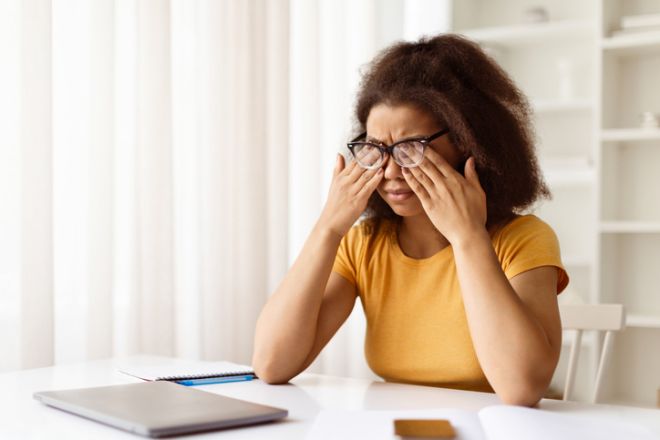
For years, many Black women have struggled with feeling overwhelmed, forgetful, disorganized, or mentally exhausted without realizing there could be an underlying reason. Instead of receiving an ADHD diagnosis, they’re often told they have anxiety, depression, or are simply under too much stress. Experts say this pattern has led to thousands of missed diagnoses, and it’s bringing more attention to ADHD in Black women and the unique challenges they face when seeking answers. Thankfully, more resources are becoming available that could help our queens get better answers and faster diagnoses.
What is ADHD?
According to NIH Medline Plus Magazine, ADHD stands for Attention-Deficit/Hyperactivity Disorder. It is a chronic neurodevelopmental condition that affects the brain’s executive functions. Symptoms include persistent patterns of inattention, hyperactivity, and impulsivity, which can significantly impact daily functioning, work, school, and relationships. Nearly 15. 5 million people struggle with this condition, according to the Centers For Disease Control and Prevention (CDC).
Although awareness of ADHD has grown significantly in recent years, thanks in part to social media, mental health advocates, and patients sharing their experiences, researchers say the healthcare system has been slower to recognize how the condition can look different in Black women. As a result, many spend years or even decades searching for the right diagnosis.
RELATED CONTENT: The Truth About ADHD—How Building Better Habits Helped Me And Other Black Women
ADHD in Black Women: Under-researched and overlooked.

One of the biggest reasons ADHD in Black women is overlooked is that most of the early research on ADHD focused almost entirely on young white boys. Because of this, many of the diagnostic tools doctors still use today were built around symptoms that are more common in boys, such as hyperactivity and impulsive behavior. In fact, there are little to no studies conducted specifically on how the disorder impacts Black women. In fact, a 2024 study found that white people were 26% more likely to be diagnosed with ADHD, while Black people were 61% less likely to receive “a conduct disorder diagnosis,” noted Healthy Women, which is a psychiatric diagnosis.
Women, especially Black women, are more likely to experience the inattentive form of ADHD, which can be much harder to recognize, according to Zeam Health. The inattentive form of the disorder can make symptoms hard to spot and lead to slower diagnoses.
“A boy who can’t sit still draws concern. A girl who quietly stares out the window is simply seen as dreamy or shy. This mismatch in visibility is one major reason ADHD in women goes unrecognized, ” Zeam Health notes.
“It doesn’t stop in childhood. A 2020 expert consensus confirmed that girls are far less likely to be referred for ADHD testing unless their symptoms are extreme. Many learn early on to compensate by over-preparing, people-pleasing, and hiding the struggle, which only makes them harder to identify later,” the outlet added.
Instead of being constantly on the go, ADHD symptoms in Black women may include chronic forgetfulness, difficulty staying organized, trouble focusing during conversations, losing track of time, procrastination, emotional overwhelm, racing thoughts, and feeling mentally exhausted from trying to keep everything together. Many women become experts at masking these struggles, making it even harder for family members, teachers, and healthcare providers to recognize what’s really happening.
Cultural expectations and judgment can lead to Black women masking symptoms.
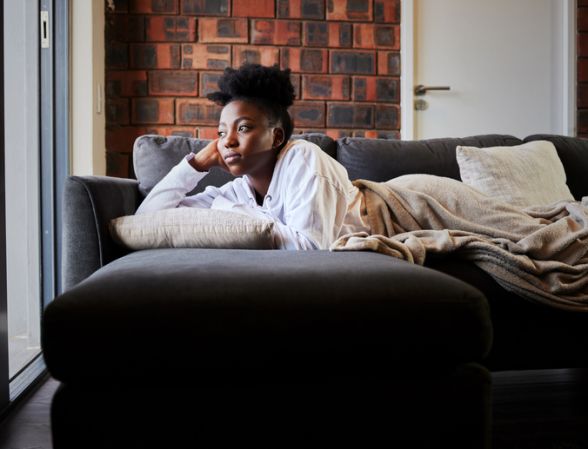
Researchers also point to cultural expectations as another reason ADHD in Black women frequently goes undiagnosed. Many Black women grow up feeling pressure to be strong, independent, and resilient no matter what life throws at them, which can lead to masking, the Cognitive Corner notes. Mental health experts often refer to this as the “Superwoman Schema,” the expectation that Black women should push through stress without asking for help. While that resilience can be a strength, it can also lead women to hide symptoms until they reach a point of severe burnout.
School experiences can also play a major role. Studies have found that Black girls who show more noticeable ADHD behaviors may be disciplined for being disruptive or labeled as having behavioral problems instead of being referred for an ADHD evaluation. Others, particularly those with inattentive ADHD, quietly struggle in the classroom and are overlooked altogether because they aren’t causing disruptions. These missed opportunities can delay diagnosis well into adulthood.
Another challenge is that many symptoms of ADHD in Black women overlap with anxiety and depression. Difficulty concentrating, feeling overwhelmed, chronic stress, and emotional dysregulation can all occur with multiple mental health conditions. While anxiety or depression may be present, experts say ADHD is often the underlying condition that goes untreated. Without a comprehensive evaluation, many women receive treatment for symptoms without addressing the root cause.
How can Black women with ADHD get help?
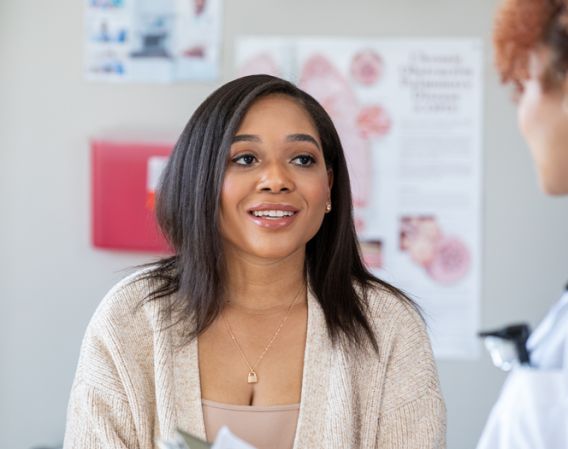
If you think you may have ADHD, specialists recommend finding a culturally competent clinician who has experience diagnosing adult women and understands how cultural background and symptom masking can affect the evaluation process. It’s perfectly reasonable to ask a provider whether they have experience diagnosing inattentive ADHD in Black women and whether they consider cultural differences during assessments. Websites like Zocdoc allow you to search for a doctor or specialist by profession or cultural background, giving you tools to ensure your specialist will truly understand how to treat and diagnose your case.
More resources are becoming available, too. Black women are increasingly finding support through advocacy groups, online communities, and educators who focus specifically on neurodiversity within the Black community. Platforms like Black Girl, Lost Keys, founded by ADHD advocate René Brooks, provide education and personal stories tailored to Black women living with ADHD. Organizations such as the National Alliance on Mental Illness (NAMI) also offer information about disparities in mental healthcare, while peer communities like the ADHD Women group on Reddit give many women a place to share experiences and recommendations for culturally informed providers.
As awareness continues to grow, experts hope more women will recognize ADHD symptoms in Black women early and receive the evaluations they deserve. A timely diagnosis can open the door to effective treatment, practical coping strategies, and, perhaps most importantly, the understanding that years of struggling weren’t a personal failure; they were signs of a condition that had simply gone unrecognized for far too long.
RELATED CONTENT: Why Many Women Don’t Know They Have ADHD — Until It’s Too Late