Experimental Drug Helps Fix 'Ozempic Butt,' Study Finds
Got ‘Ozempic Butt’? Fix Your Flat And Flabby Booty With Experimental New Drug - Page 3
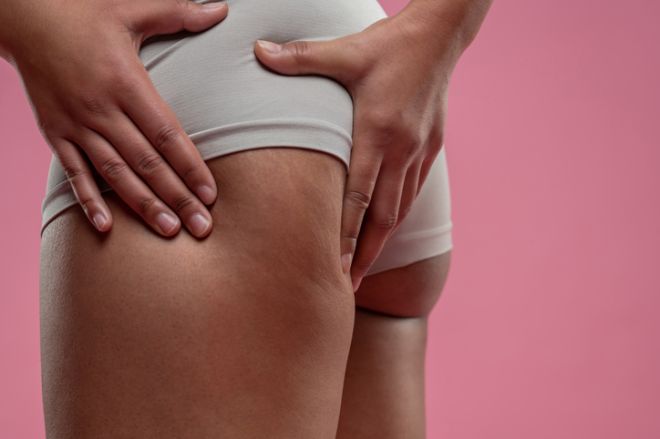
“Ozempic butt” has become a popular slang term for a cosmetic change some people notice after significant weight loss on medications like Ozempic and other GLP-1 drugs. It refers to a loss of fullness, firmness, and skin tightness in the buttocks that can make the area appear flatter or looser. Thankfully, a new experimental drug called apitegromab could help patients looking to lose overall body fat without sacrficing too much muscle.
While it sounds like a drug side effect, Ozempic butt isn’t actually caused directly by the medication itself. Instead, it’s a common result of losing a large amount of weight quickly, which often includes the loss of both fat and muscle. As more people use powerful weight-loss drugs, researchers are now looking for ways to solve this pesky problem. One experimental treatment in development is a drug called apitegromab, which was recently highlighted in a study published in Nature Medicine published June 8. Early results suggest it may help protect muscle during weight loss, potentially reducing changes in body shape that come from muscle loss.
RELATED CONTENT: Ozempic’s Secret Second Act — The Harsh Truth About Life After You Stop Using GLP-1 Medication
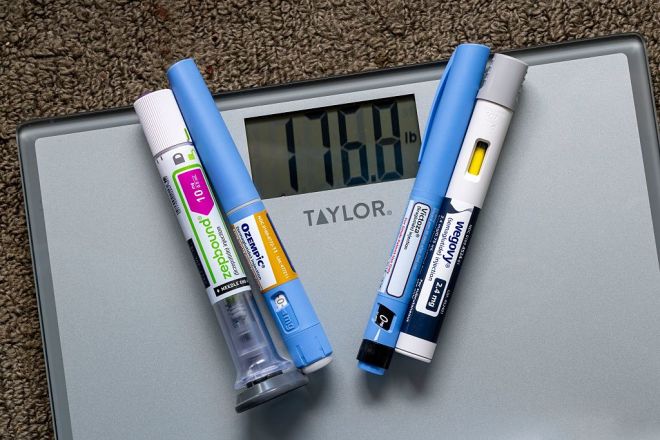
The EMBRAZE trial showed positive results for people taking apitegromab.
The latest research, known as the EMBRAZE trial, tested apitegromab in adults with overweight or obesity who were already taking tirzepatide, a commonly used weight-loss medication. While tirzepatide is effective for reducing body weight, it can also lead to some loss of lean muscle. The goal of the study was to see whether adding apitegromab could preserve muscle while still allowing fat loss to occur.
The study included 102 adults enrolled between June and September 2024. Participants were randomly assigned to receive either apitegromab plus tirzepatide or a placebo plus tirzepatide. Treatment lasted about 24 weeks, and participants were monitored using detailed body scans that measure fat and muscle separately. Most participants were women in their early 40s, with average body weights between about 93 and 99 kilograms and BMIs in the mid-30s range, which is considered obese.
At the end of 24 weeks, researchers found a clear difference in body composition between the two groups. Although total weight loss was similar in both groups (about 11–13 kilograms), the type of weight lost was different. People who received apitegromab lost significantly less muscle, about 1.6 kg compared with 3.5 kg in the placebo group. This meant apitegromab reduced lean mass loss by roughly 1.9 kg overall, preserving about 55% more lean mass than placebo.

Importantly, most of the weight lost in the apitegromab group came from fat rather than muscle. About 85% of their weight loss was fat, compared with about 70% in the placebo group. In simple terms, both groups lost similar amounts of weight, but the apitegromab group tended to lose more fat and hold onto more muscle. This is why researchers believe the forthcoming drug could eventually help reduce unwanted effects like “Ozempic butt” and improve body composition during medical weight loss.
What do you think about this fascinating study?
RELATED CONTENT: The Ozempic Side Effect No One Saw Coming — And It’s Showing Up On Your Head