Femicide Red Flags & My Tips To Survive Domestic Violence
The Red Flags Of Femicide & My Personal Advice On How To Survive Leaving An Abusive Relationship [Op-Ed] - Page 2
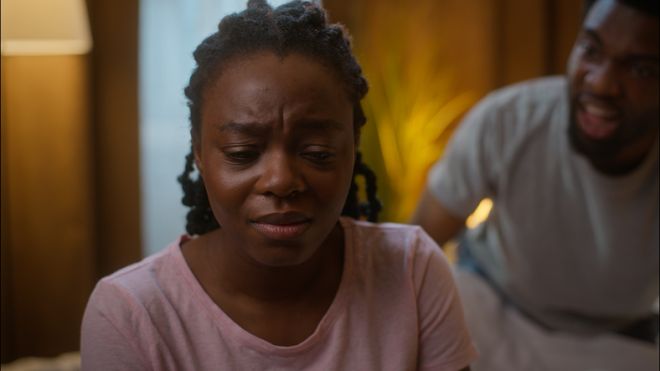
Sis! If you are a Black woman on Beyoncé’s internet, you have seen it.
A beautiful picture.
A loving birthday post.
A celebration post.
The caption:
“Happy heavenly birthday.”
Then the comments:
“She didn’t deserve this.”
“Prayers for her family.”
“Gone too soon.”
And somewhere buried in the story, the truth is that she is not here because she loved the wrong man, right?
Wrong. We gotta stop pretending this is random because it is not! These stories are not just one-off headlines. It is a harsh reality that has become a pattern in the Black community. And while so many of the names go unspoken, femicide is real and loud.
RELATED CONTENT: What Is Femicide? A Look At What Shanquella Robinson Killing Suspect Might Be Charged With
According to Sanctuary For Families, femicide is the murder of women and girls because of their gender. It is the most extreme and tragic outcome of domestic abuse, rooted in misogyny and gender-based violence. Unlike other forms of homicide, femicide is not just about one person killing another—it is about power, control, and the systemic devaluation of women’s lives. In the context of domestic violence, femicide is often the culmination of years of abuse, manipulation, and coercive control.
Black women being murdered by men is one of the most urgent issues menacing Black America today. From 2011 to 2024, the number of Black women killed by men with a firearm increased by nearly 30 percent, according to Ebony Magazine. Black women are 14 percent of the U.S. population, yet make up over 30 percent of women killed by men. Ninety percent of Black women knew their killer, and in most cases, Black women are killed by Black men. Nearly 80 percent of these murders involve gun violence.
Women like Dr. Cerina Wanzer.
Nancy Metayer.
Ashly Robinson.
Barbara Deer.
Trenelle Major Collins.
Davonta Curtis.
Tomeka Kamwani.
Some of their names and stories made the national news. Some made the local news. Some made it to social media. Hell, some of the victims are never mentioned anywhere or at all. But far too often, the backstory is the same. And so is the result: femicide, the gender-based murder of a woman or girl by a man.
However, not even that version of the story tells you who my girl Lu was. It does not tell you what she meant to the people who loved her. It does not tell you how great a mother, daughter, and sister she was. It does not tell you how funny she was. It does not grant those who did not know her the opportunity to experience that laughter or energy. It just leaves so much out. And it does not say what needs to be said loud enough:
She should still be here.
Telling women to “just leave” is not the solution. Encouraging women to “choose yourself” every single time will not protect them. Why? Because oftentimes, those acts of bravery are the most dangerous moments. More than half the women killed in this country are murdered by a current or former partner.
For sistas/Black women, femicide follows many other issues that we must deal with, like systems that do not respond to us with urgency, protection that is not consistently enforced, and distorted narratives that tell us to endure instead of escape.
So, while we are trying to save ourselves, we are also trying to overcome systemic barriers that do not always prioritize or protect us.
Listen, sis, the red flags are all high-risk indicators. You must be mindful of how you leave. Move silently and strategically. This is not about fear; it is about preparation. Your plan must be shared on a need-to-know basis, ONLY! Be sure to secure your documents and finances. Document EVERY threat, ALL the patterns, and bad behavior. Change your routines and be as discreet as possible. Lastly, lock your digital life DOWN!
Yeah, I said move in silence, and I mean that. I also said help looks different for Black women, and that’s a fact, too. However, you do not have to navigate this alone. Your circle of trust and loved ones will be very important. They will provide protection and perspective as you figure things out.
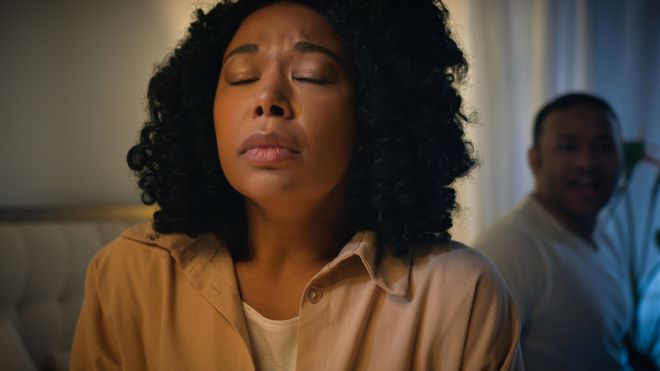
Additionally, there are agencies and resources that offer the support you need, including:
- National Domestic Violence Hotline – 1-800-799-7233 (24/7, confidential)
- WomensLaw.org
- National Network to End Domestic Violence
- Futures Without Violence
The truth is that my friend, Lu, should still be here. And so should every woman who is killed by someone who mistakenly thought love looked like control. We cannot keep telling Black women to leave without also preparing them to survive leaving and life afterward. Because the whole “die trying” argument is not it!
Leaving him should be the beginning of a Black woman’s freedom, not the end of her life. And until we can walk away safely, the problem is not our choices. The problem is a system that perpetually fails to protect us.
RELATED CONTENT: Black Women’s Lives Matter: America Has A Femicide Problem & We Need To Talk About It [Op-Ed]