How Swiss Made Watches Became The Must-Have Accessory

When someone glances at your wrist and spots a Swiss made watches logo, something shifts in the conversation. Here’s what makes Swiss watches worth the head turn: they’re not gadgets that’ll ever be obsolete. We’re talking about mechanical marvels that appreciate, pieces you can pass down through generations, and wearable art that reflects your values and success.
Suddenly, you’re not just another person checking the time; you’re someone who appreciates craftsmanship, heritage, and quality that transcends trends. These timepieces command respect and spark conversations wherever you go.
While other countries mass-produce watches by the millions, Swiss craftspeople have perfected the skills their ancestors developed a long time ago. Ready to understand why collectors and style enthusiasts alike consider Swiss timepieces the ultimate must-have accessory?
The Historical Roots of Swiss Watchmaking Excellence
Switzerland’s journey to watchmaking has roots that’ll surprise you. According to the Federation of the Swiss Watch Industry, watchmaking came about in Geneva during the mid-16th century when reformer Jean Calvin banned wearing ornamental objects, forcing goldsmiths to pivot their skills toward making timepieces. Talk about turning a restriction into an opportunity.
These early watchmakers weren’t working in massive factories. They were artisans in small workshops, each one developing specialized expertise. Families passed down techniques across generations, creating an ecosystem in which knowledge accumulated over centuries.
RELATED CONTENT: ‘My Game, My Story’ — JuJu Watkins Collabs With Nike & LeBron On Signature Shoe
From Pocket Watches to Wrists
World War Ⅰ changed everything for wristwatches, as soldiers needed to check the time quickly without fumbling with pocket watches, and Swiss manufacturers adapted quickly. When those soldiers came home, they kept wearing wristwatches, and the rest followed suit. Swiss brands like Rolex and Patek Philippe seized this moment, establishing solid reputations that money can’t buy.
What Makes a Watch Officially Swiss Made?
Here’s where things get interesting. According to the Swiss Federal Institute of Intellectual Property, a watch earns the “Swiss Made” designation when at least 60% of manufacturing costs are generated in Switzerland, plus the movement must be Swiss, cased in Switzerland, and inspected there. The Swiss Federal Council established these regulations to protect the label’s integrity and prevent counterfeit products (knockoffs).
However, not every component in a Swiss Made watch necessarily comes from Switzerland. Some brands import certain parts from Asia or Germany, where labor costs less. The movement, which is the beating heart of your watch, must be Swiss, but cases, dials, and other parts might originate somewhere else.
The Gray Areas Nobody Talks About
You’ll also see labels like “Swiss Movement” or “Swiss Parts” floating around. Swiss Movement means the mechanism inside came from Switzerland, but everything else? Could be from anywhere, but these distinctions matter when you’re dropping serious money on what you think is a wholly Swiss product.
Why Are Swiss Watches So Expensive?
Quality doesn’t come cheap, and Swiss watchmakers doubled down on that principle when quartz watches threatened to wipe them out during the 1970s and ’80s. Instead of competing on price, Swiss made watches pivoted hard toward luxury, craftsmanship, and heritage. They positioned mechanical movements as art rather than utility, and people bought in.
The materials alone command premium pricing. We’re talking sapphire crystals that resist scratches like nobody’s business, 316L stainless steel that won’t corrode, and movements assembled by hand under a magnifying glass. Each watch might contain hundreds of tiny components, each one placed with precision and care you can’t get from machines alone.
Swiss craftsmanship watches also hold value in ways electronic devices never will. A Rolex Submariner from the 1960s sells for multiples of its original price. If you try that with any smartwatch, it’ll be e-waste in only a few years.
Are Swiss Watches Worth the Money?
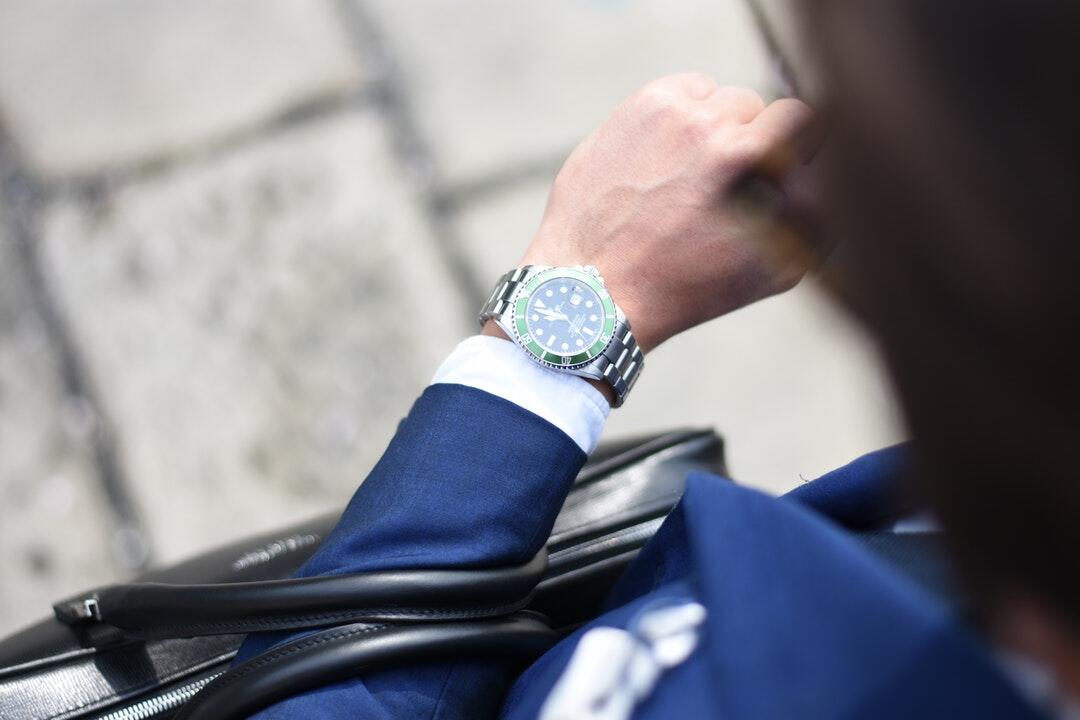
Whether Swiss precision watches justify their price tags depends on what you’re chasing. If you want the most accurate timekeeping, a $50 quartz watch beats any mechanical movement hands down. Though accuracy isn’t the point anymore, and hasn’t been for a while.
You buy Swiss watches for craftsmanship, legacy, investment potential, and yes, status. There’s nothing wrong with wanting a watch that signals you’ve “made it” or that you appreciate the finer things in life. Luxury timepieces from established Swiss houses offer something mass-produced items can’t: exclusivity, artistry, and a connection to centuries of innovation.
Plus, these watches last. With proper servicing every five to seven years, a quality Swiss watch runs indefinitely; you can pass it down to your kids, who can pass it to theirs. That’s not hyperbole, as Patek Philippe has pieces still ticking from the 1800s.
The Swiss Watchmaking Tradition Lives On
Modern Swiss watchmakers balance tradition with innovation in ways that’d make their ancestors proud. They’re using new materials such as ceramics and carbon composites while maintaining hand-finishing techniques perfected over time. Brands like Tissot continue pushing boundaries without abandoning the principles that made Swiss watches legendary; you can browse Tissot watches here to see how they blend accessibility with Swiss quality.
The apprenticeship system ensures young watchmakers learn from masters, preserving knowledge that can’t be taught through YouTube tutorials. These aren’t assembly line workers. They’re artisans who train for years before touching a luxury movement.
Frequently Asked Questions
How Can You Tell if a Watch Is Really Swiss Made?
Check for “Swiss Made” marked on both the dial and caseback. Authentic Swiss watches come with documentation, including certificates of authenticity and warranty cards from authorized dealers. Be wary of deals that seem too good; if you’re getting a “genuine” Rolex for a fraction of retail price, something is definitely fishy.
Why Do People Prefer Swiss Watches Over Japanese or German Watches?
Honestly, a lot comes down to marketing and history, though Swiss quality remains exceptional. Japanese brands like Seiko and Grand Seiko offer great value and precision, while German manufacturers like A. Lange & Söhne match Swiss craftsmanship. However, Switzerland’s centuries-long head start and luxury positioning give it a reputation other countries can’t replicate.
The Enduring Appeal of Swiss Excellence
Swiss made watches became must-have accessories because they offer something beyond telling time. They’re wearable art, history, and status symbols all rolled into one. The Swiss watchmaking tradition isn’t just marketing hype; it’s generations of craftspeople mining for perfection in ways most industries abandoned.
High-quality Swiss watches represent an investment in artistry that appreciates rather than depreciates. Whether you’re buying your first luxury timepiece or expanding a collection, understanding what makes Swiss watches special helps you choose wisely. There aren’t purchases you’ll regret, as they’re pieces you’ll treasure and eventually pass down.
Need more lifestyle insights and fashion recommendations? Madame Noire has the content that celebrates excellence and individuality.
RELATED CONTENT: Ice Spice Celebrates Her ‘NUEVAYoL’ Roots In H&M’s New York Campaign