Black Moms Of Neurodivergent Kids Unveil Genetic Mental Health
SPECTRUM — The ‘Aha’ Moment: Black Mothers Of Neurodivergent Children Are Discovering More About Their Own Mental Health
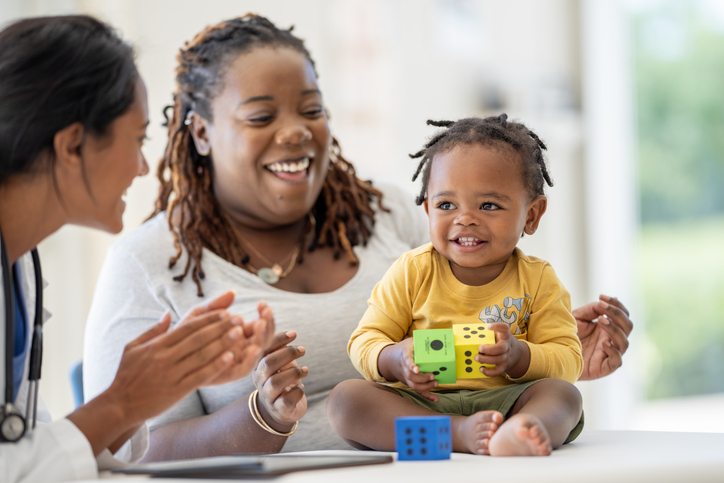
When a woman adds the layer of motherhood to her journey, she undoubtedly becomes a teacher of things. Walking, talking, and how to use utensils are all lessons she passes down to
a tiny human who shares her features.
Just the same, these little people become teachers who help you learn about yourself. For many Black mothers, the path of raising a neurodivergent child has led to an unexpected revelation: the realization that they, too, are neurodivergent.
In honor of World Autism Awareness Day (April 20), MadameNoire is shining a light on these “aha!” moments. While sometimes jarring, these moments can be liberating offering a new lens through which to understand their own life experiences and build a deeper connection with their children.
RELATED CONTENT: Mompreneurs: Talking Motherhood And Mental Health With Dr. Raquel Martin
Recognizing Familiar Traits
The signs often emerge in subtle ways. A mother notices her child’s struggles with focus mirror her own lifelong challenges with organization. A child’s sensory sensitivities resonate with her own heightened responses to certain sounds or textures. Perhaps, like Monique Breshet, a mother navigating her daughter’s autism journey, a closer look into their child’s diagnosis leads
to self-discovery.
“My daughter is autistic and six [years old], we started her Individualized Education Program (IEP) around 2.5 [years] and in just doing my research and learning more, I arrived at I think I have ADHD,” shares Breshet, who says she has always dealt with
anxiety.

She went on to support her self-diagnosis with a therapist. “Then, I learned how in AuDHD the ADHD can basically mask the autism, so I did even more research and [confirmed] AuDHD!”
She also shares that she suspects her mom is also autistic, although it has not yet been confirmed. “I thought I was just quirky but no it’s a thing.”


As Monique shares, these experiences can spark a curiosity that leads mothers down a path of research and self-identification. Often, what starts as an attempt to understand their child’s neurodiversity transforms into a trove of self-discovery.
The Nuances Of A Late Diagnosis
For many Black mothers, this realization comes later in life, often after decades of navigating a world that wasn’t built for their neurodivergent brains. Lenise Mazyck, a Licensed Mental Health Therapist specializing in neurodivergent women, explains, “Parents that are late diagnosed sometimes struggle with processing their own identity within the lens of the new diagnosis.” This late diagnosis can bring a mix of emotions: validation, relief, and even grief for the challenges they faced without understanding why. It can also challenge long-held beliefs about themselves and their capabilities.
This delay in diagnosis is unfortunately common, particularly for Black women. According to the CDC, autistic adults are less likely to be diagnosed if they are Black, Hispanic, or from low-income households, highlighting the systemic barriers and biases that can prevent Black women from receiving timely diagnoses and support.
These barriers can include:
● Lack of awareness and understanding of neurodiversity among healthcare providers: This can lead to misdiagnosis or missed diagnosis altogether.
● Cultural stigma surrounding mental health: This can discourage Black women from seeking help or disclosing their struggles.
● Limited access to quality healthcare and mental health services: This can create additional obstacles to diagnosis and treatment.
For Charlene A. Wheeless, a successful executive and mother of a neurodivergent daughter, her journey to diagnosis and treatment was marked by both self-advocacy and challenges: “I suspected that one of my daughters had ADHD and, at the same time, was quite intelligent. The school system refused to test her, so I went to a private doctor and had her tested, and he confirmed what I thought. As I continued to watch her behavior, I realized that I had some of the same issues with a bit of depression thrown in. I’d learned to manage it, but not as effectively as I thought. So, I decided to get tested as well, and my intuition confirmed that I had ADHD and suffered from depression. By this time, I was an executive at a multi-billion company. I was hesitant to go on medication because I’d learned to take advantage of the disadvantages of my diagnoses. It took quite a bit of effort and self-advocacy to get on the proper medications that matched my needs rather than the standard and most often prescribed medications.”
For some women, the idea of seeking a neurodiversity diagnosis later in life might feel…unnecessary. They might wonder, what good is a diagnosis going to do now? I’ve already built a career, raised a family, and accomplished so much. But Wheeless’s experience reminds us that a diagnosis isn’t about “fixing” something broken.

Instead, it’s about gaining a deeper understanding of oneself. It can unlock new levels of self-awareness, leading to more effective coping strategies, improved self-advocacy, and a greater sense of self-acceptance. Even if you’ve already achieved great things, a diagnosis can empower you to thrive, not just manage. It’s an opportunity to rewrite your internal narrative and live more authentically.
The Intergenerational Impact
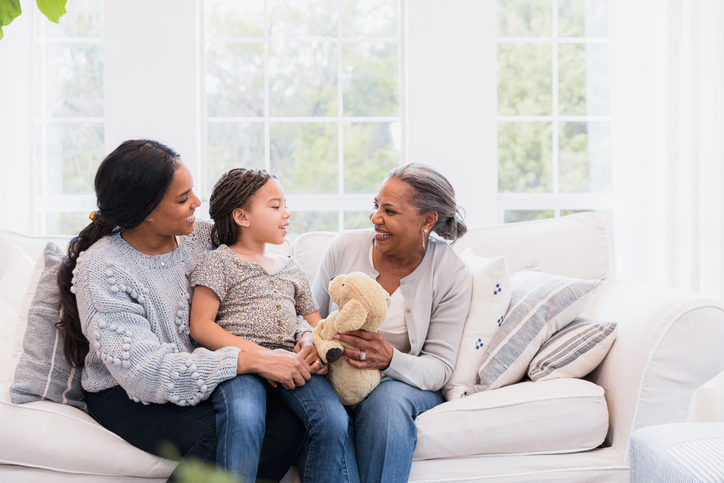
Neurodiversity often runs in families, creating a ripple effect across generations. When a child is diagnosed, it can illuminate similar traits in parents, grandparents, and even extended family members. As Mazyck points out, “Almost all of my neurodivergent clients end up thinking about their children, siblings, parents, grandparents, etc. and having an ‘aha’ moment when they realize they too are also probably neurodivergent.”
Dr. Owen Muir, a physician who works with neurodivergent families, echoes this observation. “I often see households with several neurodiverse people spanning generations. A startling finding is that grandparents, driven by their children’s and grandchildren’s diagnoses, are starting to seek evaluations. This demonstrates how a genetic thread of neurodiversity can encourage self-discovery across a family.”
This intergenerational connection can foster a sense of shared experience and understanding. It can also empower families to embrace their neurodiversity as a source of strength and resilience.
Reframing The Narrative
The journey of self-discovery and acceptance is not without its challenges. Black mothers, in particular, may face societal pressures to conform to expectations of strength and resilience, making it difficult to acknowledge their own neurodivergent needs.
Dr. Muir highlights this unique challenge. “For Black mothers, this might collide with societal expectations of resilience, adding another layer of complication to recognizing and fighting for their neurodiversity.”
Mazyck sheds light on the specific challenges faced by Black mothers she’s worked with, saying “The most common challenges I encounter are struggling at work and/or at home and problems with friendships or other relationships and coping skills. Oftentimes I’ll meet moms who struggle to get all the chores done at home and feel shame about it or they can only get the chores done and feel shame about not desiring to spend time with others. I also see a lot of working moms who struggle with traditional jobs and need either more rigid rules at work or those who crave and need flexibility. The other thing is coping looks completely different for neurodivergent people of color and so that may not be traditional ways you see on Google like journaling and crocheting, although those can be helpful tools.”
However, with the right support and resources, these challenges can be overcome. Therapy, medication, and community connections can all empower Black mothers to navigate their neurodiversity and thrive.
Embracing Neurodiversity
The growing awareness of neurodiversity, fueled in part by social media and online communities, is shifting the narrative from one of deficit to one of difference. Mazyck observes, “The awareness around how many people likely are neurodivergent by ‘blood’ has increased rapidly, especially after the boom of TikTok in 2020. So many more people are seeing
neurodivergence for all its uniqueness and that grandma and maybe grandpa were probably also neurodivergent!”
Dr. Muir also sees this shift in his practice. “In my work, I’ve seen that once families learn about the genetic aspect of neurodivergence, the discourse switches from ‘fixing’ to ’embracing.’ This reframe has far-reaching consequences, promoting an atmosphere in which neurodivergence is seen as an asset to be shared rather than an individual burden.” This shift in perspective allows Black mothers to embrace their neurodiversity as an integral part of their identity, not a limitation.
Pursuing A Diagnosis And Finding Support
For mothers who suspect they may be neurodivergent, seeking a professional evaluation can be a powerful step towards self-understanding and empowerment.
Both Shenella Karunaratne, a Licensed Professional Counselor, and Lenise Mazyck emphasize the importance of seeking a diagnosis. “It is better to know, and then work with professionals to create a plan for handling the diagnosis, than it is to never know and have that continuously weighing on you,” says Karunaratne.