Zora Neale Hurston Quotes That Speak To Modern Black Women
Celebrating Zora Neale Hurston At 135—15 Quotes From The Icon That Read Like They Were Written For Black Women Today
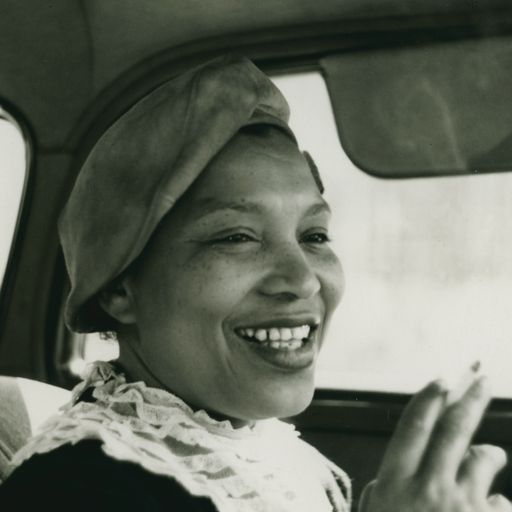
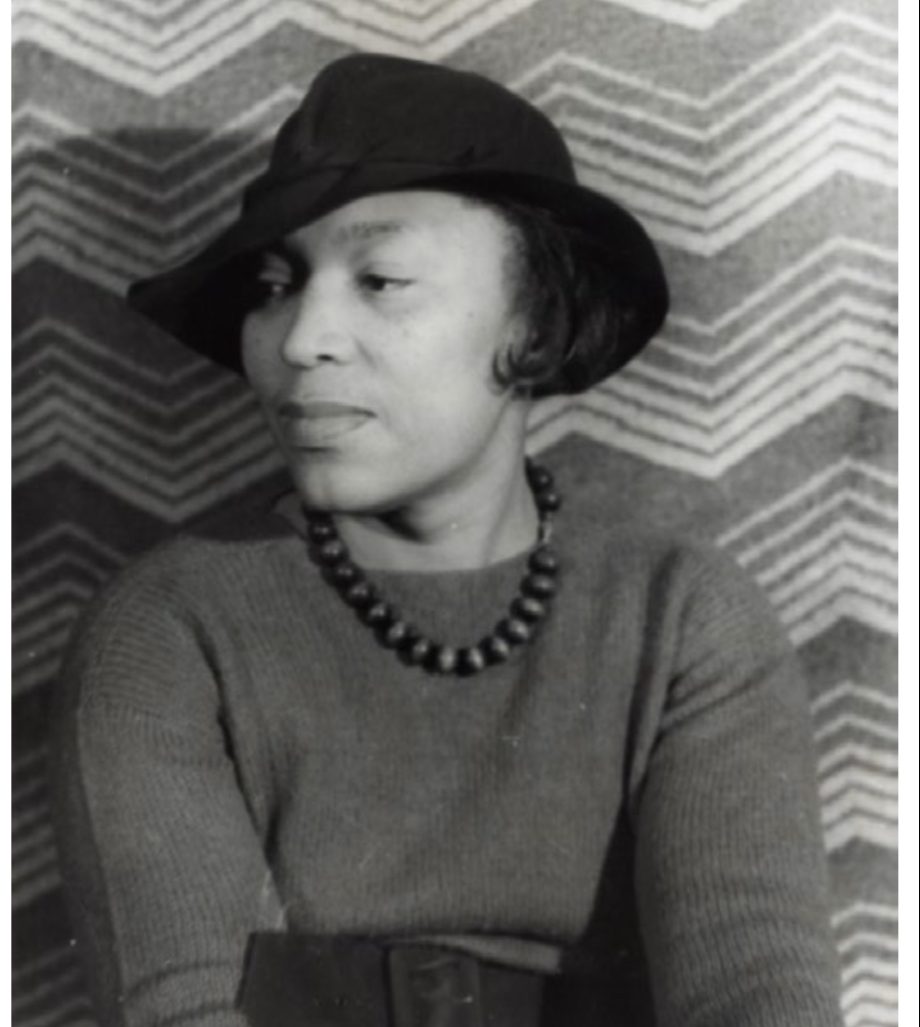
Today, January 7, 2026, marks what would have been Zora Neale Hurston’s 135th birthday. The icon is revered for her profound contributions to American literature and cultural history, but her genius lies in how deeply and lovingly her words explore the beauty, complexity, and truth of the Black experience, especially that of Black people. Through her fearless storytelling, Hurston placed power on the page, capturing joy, pain, independence, love, and selfhood with unmatched clarity.
Her most celebrated novel, Their Eyes Were Watching God (1937), remains a cornerstone of the Harlem Renaissance and a staple in classrooms and libraries worldwide. The novel follows the epic journey of Janie Crawford, a Black woman seeking her voice, her freedom, and a deeper understanding of love. Along the way, Janie experiences life’s triumphs and heartbreaks, ultimately learning how to come home to herself in peace. The novel’s impact is so profound that Alice Walker famously said, “There is no book more important to me than this one,” according to Hurston’s official archive.
RELATED CONTENT: Filmmaker Tracy Heather Strain Talks Plight And Pursuit In ‘Zora Neale Hurston: Claiming A Space’



Earlier, in 1935, Hurston published Mules and Men, a groundbreaking work that stands as the first major collection of Black American folklore. In the 1930s, Hurston returned to her “native village” of Eatonville, Fla., to document the oral histories, sermons, songs, and stories she had heard growing up—many of them tracing back to the era of slavery. These folktales, often referred to as “big old lies,” are rich with metaphor, humor, wisdom, and cultural truth.
Through this work, Hurston not only preserved an invaluable record of Black folk life but also discovered herself within it. Mules and Men reveals the quiet, familiar, and deeply informative aspects of Black life, the stories we tell, the songs we sing, and the ways we survive and thrive. In doing so, Hurston safeguarded a vital piece of American culture and affirmed the beauty of Black voices that had too often been ignored.
These works are just two examples of Hurston’s incredible legacy. Her words continue to resonate because they speak directly to the inner lives of Black people, especially Black women, touching on our resilience, self-worth, longing, and liberation.
Below are 15 Zora Neale Hurston quotes about navigating love, purpose, and self-discovery in today’s world. Explore her wisdom further below, and return to it whenever you need grounding, affirmation, or inspiration.
1. “There are years that ask questions and years that answer.”
— Their Eyes Were Watching God (1937)
2. “Love is like the sea. It’s a moving thing, but still and all, it takes its shape from the shore it meets, and it’s different with every shore.” — Their Eyes Were Watching God (1937)
3. “Those that don’t got it, can’t show it. Those that got it can’t hide it.” — Their Eyes Were Watching God (1937)
4. “Silence is all the genius a fool has, and it is one of the things a smart man knows how to use when he needs it.” — Moses, Man of the Mountain (1939)
5. “Sometimes, I feel discriminated against, but it does not make me angry. It merely astonishes me.” — How It Feels to Be Colored Me (1928)
6. “Love makes your soul crawl out from its hiding place.” — Dust Tracks on a Road (1942)
7. “No matter how hard I try or how much I wish it, I can’t be anything other than myself.” — Dust Tracks on a Road (1942)
8. “Some people could look at a mud puddle and see an ocean with ships.” — Dust Tracks on a Road (1942)
9. “The present was an egg laid by the past that had the future inside its shell.” — Dust Tracks on a Road (1942)
10. “Research is formalized curiosity. It is poking and prying with a purpose.” — Dust Tracks on a Road (1942)
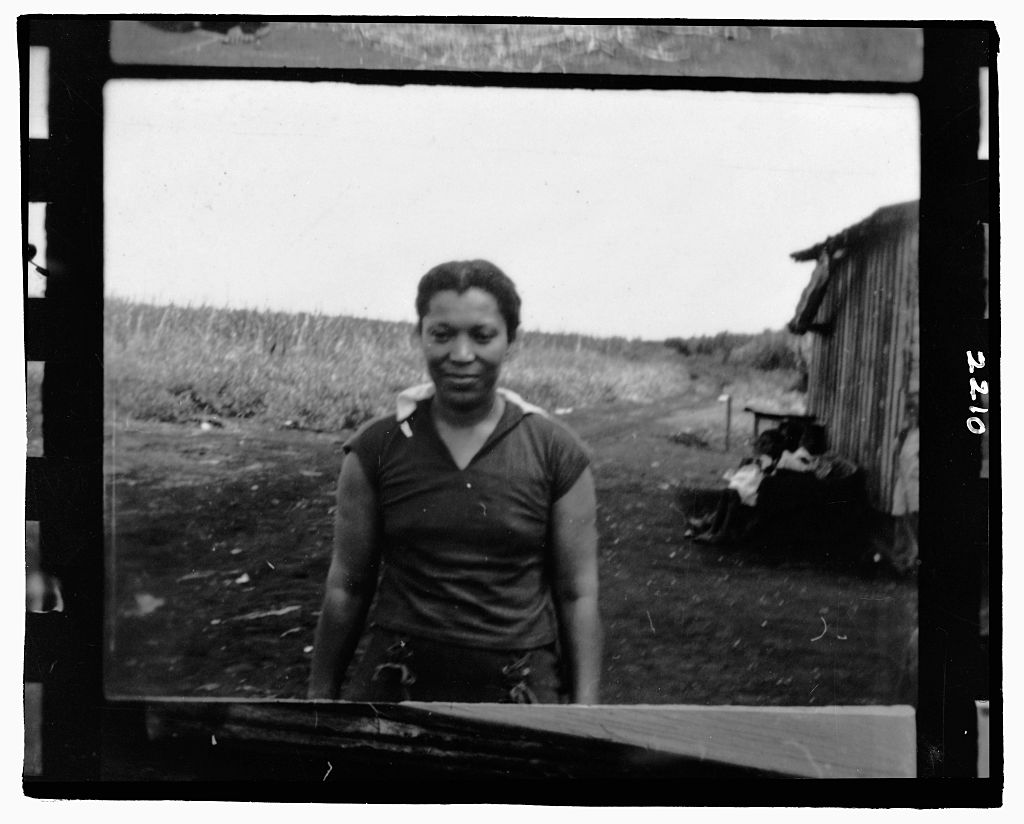
11. “I have known the joy and pain of friendship. I have served and been served. I have made some good enemies for which I am not a bit sorry. I have loved unselfishly, and I have fondled hatred with the red-hot tongs of Hell. That’s living.” — Dust Tracks on a Road (1942)
12. “If you are silent about your pain, they’ll kill you and say you enjoyed it.” — Zora Neale Hurston
13. “There is no agony like bearing an untold story inside you.” — Dust Tracks on a Road (1942)
14. “I have the nerve to walk my own way, however hard, in my search for reality, rather than climb upon the rattling wagon of wishful illusions.” — Hurston’s Letter to Countee Cullen (1943)
15. “I am not tragically colored. There is no great sorrow dammed up in my soul, nor lurking behind my eyes. I do not mind at all. I do not belong to the sobbing school of Negrohood who hold that nature somehow has given them a lowdown dirty deal and whose feelings are all hurt about it. Even in the helter-skelter skirmish that is my life, I have seen that the world is to the strong regardless of a little pigmentation more or less. No, I do not weep at the world—I am too busy sharpening my oyster knife.” — How It Feels to Be Colored Me (1928)
RELATED CONTENT: Zora Neale Hurston Gets The Spotlight In Upcoming Documentary