The 'Ozempic Of Alcohol' Is Changing Drinking Habits Fast
First Weight, Now Wine — The ‘Ozempic Of Alcohol’ Is Changing Drinking Habits Fast
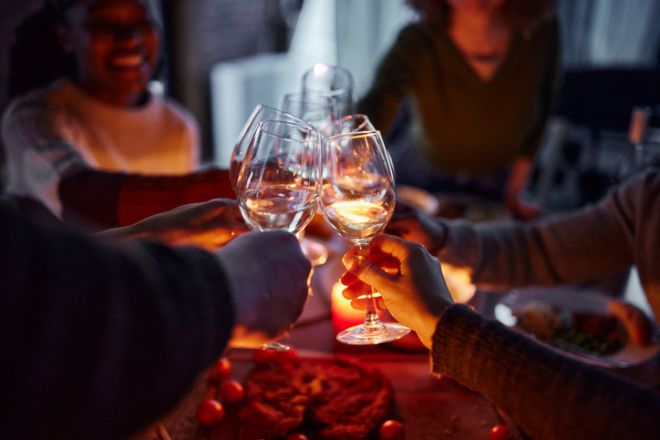
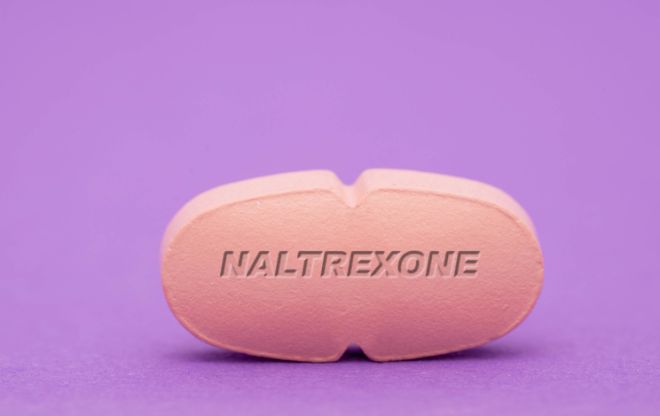
An affordable pill is growing buzz in the U.S. health market, quickly earning the nickname “Ozempic of alcohol” for its reported ability to curb cravings for drinking, similar to how GLP-1 drugs increase satiety to support weight loss. It’s called naltrexone.
How Does Naltrexone Work?
Naltrexone, which “costs about $1.60 a pill when purchased in bulk,” according to the New York Post, works by blocking opioid receptors in the brain. This reduces the dopamine-driven reward people typically experience when drinking alcohol.


According to the Substance Abuse and Mental Health Services Administration (SAMHSA), naltrexone is not an opioid, is not addictive, and does not cause withdrawal symptoms when stopped. It blocks the euphoric and sedative effects of opioids such as heroin, morphine, and codeine while also decreasing opioid cravings. Because of this mechanism, naltrexone has no abuse or diversion potential.
Naltrexone for Alcohol Use Disorder
While the drug is gaining popularity now, it’s actually been around for quite some time. Naltrexone has been FDA-approved to treat alcohol use disorder (AUD) since 1994 and opioid dependence since 1984. Today, nearly 28 million Americans struggle with alcohol use disorder, according to the National Institute on Alcohol Abuse and Alcoholism. It works by attaching to the body’s endorphin receptors, blocking the pleasurable effects of alcohol and reducing the urge to drink. It not only lowers cravings but also helps decrease overall alcohol consumption.
RELATED CONTENT: Alcohol And Cancer — Why The US Surgeon General Wants Cancer Warning Labels Added To Alcohol Bottles
After someone stops drinking, continuing naltrexone can support long-term sobriety. Treatment typically lasts three to four months. While naltrexone is typically sold as an oral tablet, Oar Health also offers a mint form of the drug under the brand name Clutch, according to the New York Post. The drug also comes as a once-a-month injection.
Is It Effective? Are there side effects?
Naltrexone users have seen positive results after use. Research shows that 80% of people who took naltrexone an hour before drinking significantly reduced or eliminated their alcohol consumption. But the drug doesn’t come without side effects. Common side effects include nausea and headaches, though experts note that nausea usually subsides as the body adjusts. Patients taking naltrexone should also avoid using opioids or illicit drugs, drinking alcohol, or taking sedatives, tranquilizers, or other substances when using Naltrexone. They should also inform their healthcare provider about all medications they are taking and notify them of any changes during treatment.
Patients who stop naltrexone or relapse after abstinence may have reduced opioid tolerance. As a result, taking the same — or even lower — doses previously used can be life-threatening, SAMHSA noted.
For many, naltrexone has been life-changing.
“The first time I took naltrexone, I remember not just wanting to impulsively turn to alcohol. It was gone. There wasn’t even a question of whether or not I needed it,” said military veteran and podcast host Jesse Carrajat in a 2024 interview with Oar Health. “For the first time in my life, when things got hard, I wasn’t turning to alcohol.”
His experience echoes many others online. One user on a Reddit thread titled Naltrexone – How a little pill changed my life in 6 months, spoke about how the pill changed their life drastically after drinking heavily for years.
“I barely think about drinking,” the user named Skarpmaedi penned. “The Friday craving is gone. The urge to open a bottle alone? Gone. I can have a beer at a bar with friends and stop after one or two. And if I don’t drink, I don’t feel deprived, I just feel normal,” the person continued. “It’s not like flipping a switch. It took a few months of willpower before my brain had rewired itself. But somewhere along the way, two- three months in, I felt a shift. I didn’t look forward to alcohol anymore. No longing. Alcohol felt quite uninteresting. The bottles in my wine fridge lay unopened weekend after weekend. And that, to me, is the biggest win. I control the drinking, the drinking doesn’t control me.”
Another Reddit user described a similar experience, writing, “Day 3 here – and I’m already so grateful for it too!! I wish someone had told me earlier about it. I’m shocked doctors didn’t recommend it or that it’s not heavily publicized as a miracle drug tbh.”
Have you tried naltrexone?
RELATED CONTENT: The Ozempic Side Effect No One Saw Coming — And It’s Showing Up On Your Head