Innovations In Pain Science Are Shaping Treatment Approaches
How Innovations In Pain Science Are Shaping Treatment Approaches
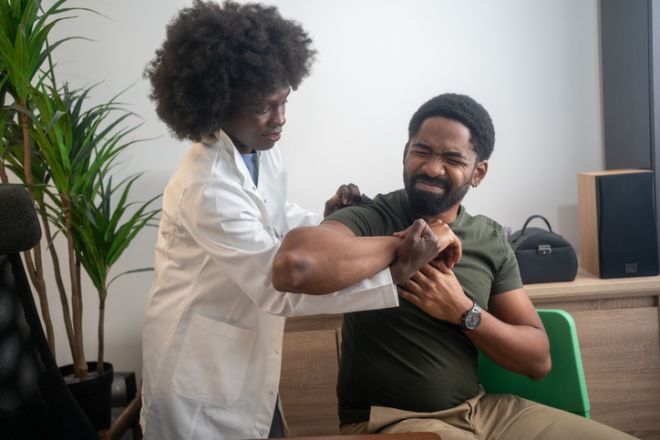
Experts today are focusing on nerves and how the brain works instead of just looking at injured parts when studying pain science. It’s possible to manage stubborn aches by learning what’s causing them and how other things, like stress, play a part.
According to the CDC, 24.3% of adults in the US experienced chronic pain in 2023. It’s such a high number when you consider how bad pain can affect your life and make it harder to do the things you love.
You can deal with pain in a smarter way because researchers now have more information.
What Is the Pain Science Approach?
If you went to a doctor a few years ago and told them you’re feeling pain, they most likely would have just looked at the specific body part aching. Your body decides the pain you’ll feel by gathering information from your:
- Nerves
- Emotions
- Past injuries
- Memories
Pain science is about looking at how all these things affect your nervous system. When you go to an expert, like a back pain specialist, they’ll ask questions to learn more about your life. Detailed tests and imaging make it easier to apply pain science in real life.
RELATED CONTENT: National Botox Day! The Popular Cosmetic Tool That Treats More Than Wrinkles
What Are the 4 Types of Pain?
You have many treatment options depending on the type of pain you’re experiencing. It’s good to understand each type and what causes them before you go see a doctor. You’ll be able to explain your symptoms better when you have more knowledge about pain.
1. Nociceptive
When you stub your toe on the coffee table or burn yourself while cooking, you feel nociceptive pain. It’s the most common kind. Your nociceptors let your brain know something has happened to your tissue. The pain will fade away once you heal.
2. Neuropathic
Many people experience pins and needles pain, but don’t know where it comes from. Your nervous system is the origin of burning sensations and pain that can sometimes feel like an electric shock.
Pinched nerves and conditions like shingles cause you to experience neuropathic pain. A lot of women also deal with it when pregnant because the baby’s weight puts more pressure on their nerves.
3. Nociplastic
You might be in a lot of pain in one area or your whole body, even though you don’t have any visible injury. Nociplastic pain can happen when there isn’t any damage to your nerves. Your system changes how it picks up signals due to things like:
- Being under stress for a long time
- Having a previous injury
- Failing to get enough sleep

4. Inflammatory Pain
Inflammation helps your body heal from infections and injuries like cuts. Your body sends cells to an injured part to:
- Repair the tissue
- Destroy bad bacteria
- Remove damaged cells
When inflammation goes on for too long, it can cause pain or soreness. Your nervous system becomes more sensitive if you’re dealing with inflammation. You might feel a lot of pain even when you make a small movement if you have a condition like arthritis.
Groundbreaking Developments in Pain Science
Specialists in Atlanta can now help your nervous system calm down instead of treating pain with painkillers only. You don’t have to suffer from an addiction or always rely on pain meds to go about your day.
Brain Imaging Explains Pain Better
You can get special scans from your doctor to help understand what’s going on in your brain. During research, specialists noticed the areas that light up when someone is in pain aren’t just those connected to physical injury.
Pain can sometimes feel worse if your mind is on high alert or you’re worried. Your doctors will come up with a better treatment plan once they know other things are contributing to the issue.
Pain Education Is More Reassuring
You might feel very scared if you’re in pain and no doctor is able to explain what’s going on. Patient education is now much easier because we have more knowledge.
A simple explanation may help you feel in control of your body. Your nervous system will calm down and stop sending unnecessary pain signals all over.
Movement Retraining for Faster Recovery
Many people will tell you doctors often asked them to rest all day when they were in pain. Gentle movement can reduce aches instead of worsening them. You can try:
- Walking slowly
- Stretching gently
- Easy strength training
You don’t have to stay in your bed all day because you’re in pain. Moving while being careful ensures your muscles stay active and your mind can relax, too. It’s important not to overexert yourself when under such a treatment approach.
Frequently Asked Questions
Who Benefits From Pain Science Treatment?
Anyone with long-lasting pain. It becomes easier to try out a gentle active lifestyle after an injury once you understand that it’s a great way to deal with pain.
You’ll also benefit from pain science if you’re an office worker who has been dealing with chronic pain due to pressure.
Why Does Pain Feel Worse When I’m Stressed?
Anytime you’re stressed, the danger signals in your nervous system rise, causing you to feel more pain than you would when relaxed. You should learn how to control stress to keep pain from worsening. Some methods you can use are:
- Taking care of yourself each day
- Identifying what triggers you
- Getting professional help when necessary
Can Pain Improve Without Surgery or Medication?
Yes. Many people start seeing some good progress once they:
- Learn more about why they’re in pain
- Start moving gently daily
- Adjust their life based on a doctor’s advice
You don’t have to get surgery or take medication all your life if you have chronic pain. Calming your nervous system is a great way to take care of your body and enjoy life without taking more risks.
Benefit From Modern Pain Science
Pain science makes it easier for our doctors to understand how different factors in life cause our brain and nervous system to react. Knowing why your body is aching instead of just treating the pain with surgery or pain meds is more reassuring.
You can make small changes like exercising and getting enough sleep, and end up seeing major improvements. Learn about more medical innovations on our news page today.
RELATED CONTENT: 4 Warning Signs You’re Overtraining And When To Hit Pause