
All Articles Tagged "credit scores"
The New Pick-Up Line: “What´s Your Credit Score?”
Imagine being on a date and the person asks you not about your hobbies, but what your credit score is? According to the New York Times, this question is popping up more and more in the dating scene. One of the subjects interviewed for the article said a date once told her she was “the perfect girl for him, but that a low credit score was his deal-breaker.”
Do you know what your credit score is? Most often credit scoring is used when someone tries to buy a house or to get a bank loan for startup money, as we reported.
But now, it’s also an issue in romantic situations. “It’s so widely used that it has also become a bigger factor in dating decisions, sometimes eclipsing more traditional priorities like a good job, shared interests and physical chemistry. That’s according to interviews with more than 50 daters across the country, all under the age of 40,” reports the Times.
There are even a few online dating websites that cater specifically to singles looking for a partner with a great credit score, such as Datemycreditscore.com and Creditscoredating.com. The sites let you check out the credit scores of potential dates before you actually go out.
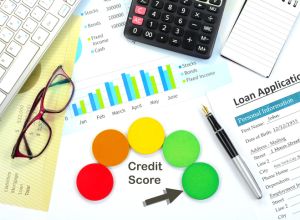
A low score could become an issue, if say, you want to buy a house together. “Banks remain wary of making loans to borrowers with tarnished scores, typically 660 and below… A low score could quash dreams of buying a house, and result in steep interest rates, up to 29 percent, for credit cards, car financing and other unsecured loans,” explains the Times. Good scores start at 750 and above.
So the concerns about credit score are well-founded. But is this the right way to start off a relationship? Let us know what you think in the comments.
The Truth About Credit Scores
Loan applications are denied every day, but the fact that those applications are being filed in the first place shows just how many people thought they were completely qualified to borrow money, and were not. It’s common misunderstandings like these that put that shocked and embarrassed look on someone’s face when the bank associate comes back with your application in his hands, shaking his head.
Demystifying FICO Scores
(Bankrate) — Q: What is the relationship between FICO and the three credit bureaus?
A: FICO is not a credit reporting agency. We have a relationship with the bureaus so that when it comes to developing FICO scores, they provide the credit data that are used to develop the scores. They provide that to FICO, and FICO does the analysis of that data. So when you request your credit report, that request, whether you go through myFICO or one of the other sites, that will ultimately go to the credit bureau where they will pull the credit file, calculate a score and that will be delivered back to you the consumer or the lender.
How Your Friends Can Improve Your Credit Score
(Bankrate) — Being an authorized user on someone else’s credit card account may raise your credit score. It depends on how the account is handled, your overall credit history and which scoring model is used to calculate your credit rating. What you’ll see on your credit report is the payment history for the shared account. You won’t see other accounts from the main cardholder’s credit report on yours unless your name is on those accounts as well. In addition, your credit score won’t merge with the other person’s credit score because of the shared account. Your credit score only considers information from your individual credit file.
Bad Credit Growing Barrier to Employment
(TheLoop21) — First it was ex-convicts who couldn’t get hired. Then last week we learned that the unemployed were flagged by recruiters because today you need a job to get a job. Now, your Mastercard balance (and your ability to pay it on time) could make or break your next job interview. An increasing number of employers use credit reports to determine whether or not someone is worthy enough to be put on the payroll. According to the Society of Human Resource Management,more than 60 percent of companies use credit reports to determine employment prospects. That means people with poor or lower credit scores, despite experience and skill sets, are assumed to be less reliable and trustworthy employees as compared to those with good credit scores. Congress has watched these changes with little response. Rep. Steve Cohen (D-TN) re-introduced a bill in January titled the Equal Employment for All Act, but there has been no action since it hit the House committee overseeing financial affairs. Actually, there was little movement on it when he initially introduced it in September 2010, when Democrats were in the majority. Maybe it has something to do with the nearly $2 million in campaign contributions Members of Congress have received from the credit reporting industry since 2002.
Bad Credit Growing Barrier to Employment
(TheLoop21) — First it was ex-convicts who couldn’t get hired. Then last week we learned that the unemployed were flagged by recruiters because today you need a job to get a job. Now, your Mastercard balance (and your ability to pay it on time) could make or break your next job interview. An increasing number of employers use credit reports to determine whether or not someone is worthy enough to be put on the payroll. According to the Society of Human Resource Management,more than 60 percent of companies use credit reports to determine employment prospects. That means people with poor or lower credit scores, despite experience and skill sets, are assumed to be less reliable and trustworthy employees as compared to those with good credit scores. Congress has watched these changes with little response. Rep. Steve Cohen (D-TN) re-introduced a bill in January titled the Equal Employment for All Act, but there has been no action since it hit the House committee overseeing financial affairs. Actually, there was little movement on it when he initially introduced it in September 2010, when Democrats were in the majority. Maybe it has something to do with the nearly $2 million in campaign contributions Members of Congress have received from the credit reporting industry since 2002.
Suit Claims Use of Credit History Hurt Black Jobseekers
(New York Times) — Sending a sharp warning to employers nationwide, the Equal Employment Opportunity Commission sued the Kaplan Higher Education Corporation on Tuesday, accusing it of discriminating against black job applicants through the way it uses credit histories in its hiring process. The lawsuit, an unusual intervention by the federal government on the issue, comes amid rising concerns that employers are denying jobs to applicants with damaged credit histories, even in cases where creditworthiness does not appear to be directly relevant to the job.
Risky Borrowers Find Credit Available Again, at a Price
(New York Times) — Credit card offers are surging again after a three-year slowdown, asbanks seek to revive a business that brought them huge profits before the financial crisis wrecked the credit scores of so many Americans. The rise is striking because it includes offers to riskier borrowers who were shunned as recently as six months ago. But this time, in contrast to the boom years, when banks “preapproved” seemingly everyone, lenders are choosing their prospects more carefully and setting stricter terms to guard against another wave of losses.
Be Wary of Credit Cards With No Spending Limits
(New York Times) — If you needed a reason to keep balances low on credit cards without set spending limits, here’s one. The way certain issuers report the cards with no preset spending limit (like Visa Signature and World MasterCard cards) to the credit bureaus could have a negative effect on your credit score if you carry a high balance. This is because of how the cards may affect the calculation of your credit utilization ratio, an important variable in calculating credit scores.
Are Banks Unfairly Denying Certain Loan Applicants?
(Danbury News Times) — A national consumer coalition plans to file a series of landmark federal fair housing complaints beginning Monday challenging a widespread practice by banks and mortgage lenders: Requiring borrowers who apply for FHA loans to have FICO credit scores well above the 580 minimum score set by the FHA itself for qualified applicants with 3.5 percent down payments. The complaints allege that the higher FICO requirements disproportionately discriminate against African-American and Latino borrowers, many of whom have credit scores above the 580 threshold set by FHA but below the 620 to 660 minimums frequently imposed by private lenders. FICO scores run from 300 to 850, with higher scores correlated with lower future risk of default.


