

All Articles Tagged "hair growth"
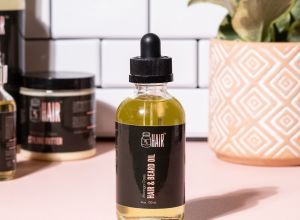
Step Your Oil Game Up! 9 Hair Oils To Promote Healthy Hair Growth
If you’re like many ladies out there, one of your resolutions for 2013 might have been to take better care of your hair. Or perhaps you’ve joined a challenge to kick the year off. If “growth” is the magic word for you in 2013, check out these growth aides, some of which are widely reviewed and have huge followings on the myriad black women’s hair sites out there in the cybersphere.
Tags:
Afroveda Shikakai Hair Oil, Exotic Allure Growth Oil, Follicle Stimulation, Gro Aut Oil, Hair Challenges, hair growth, Hair Trigger Explosive Growth Elixir, healthy hair, Hydrathermal Naturals Growth Oil, Liquid Gold Hair Growth Oils, Shapley's MTG Oil, Sweet Nature by Eddie Spirit Follicle Stimulator, Wild Growth Hair OilReady For Fall? Hair Care Tips For The Change In Season
When most think of the Fall season beautiful autumn leaves, adorable overcoats, and fashion-forward boots come to mind. Something else that seems to go hand in hand with the lovely Fall season is dry, brittle and damaged hair. Lucky for you, this doesn’t have to be your story. Check out these tips on keeping your tresses in tip top shape this Fall.
Deep condition regularly.
This tip probably sounds like the same old broken record playing over and over, but deep conditioning is extremely important to any hair care regimen and even more important during the Fall and Winter months. Having clean hair is extremely important, but while shampooing helps to rid your hair of any impurities, it can also strip your hair of its natural oils leaving hair dry and brittle. Cold weather only seems to worsen these conditions. Moisturizing deep conditioners assist in combatting this issue. Adding a deep conditioner to your haircare regimen may add a few more minutes to your routine, but it is certainly worth it in the long run.
Suggestions: Shea Moisture Organic Raw Shea Butter Deep Treatment Hair Masque or Miss Jessie’s Super Sweetback Treatment
Trims.
Getting rid of split and brittle ends that have been damaged by hair summer rays is one of the best things that you can do for your hair this time of year. There are some who suggest that you should trim your ends every six to eight weeks. Then, there are others who believe that trimming your ends that frequently isn’t necessary. I don’t feel that there is one blanket trimming schedule that applies to all women. When you notice that your ends are damaged and splitting, get rid of them.
Learn to not only moisturize, but to seal as well.
As your hair is forced to endure beatings from high winds and cold weather, it tends to dry out a bit. Adding moisture to your hair is great; but it is not enough to keep your hair hydrated.Once you’ve washed or wet your hair, try applying a water based leave-in conditioner or moisturizer and following up with an oil or butter such as coconut oil, grapeseed oil, jojoba oil, olive oil, mango butter or raw shea butter. Water and moisturizers are what add moisture to your hair, but the oils or butters are what seals it in.
Beware of the wool scarves and jackets.
Ugh, wool scarves and jacket collars are guilty of damaging the ends of fabulous tresses across the globe. As temperatures drop, many ladies are reaching for the wool scarves and pea coats. I know the temptation to strut down the street in your fine wool pea coat with with your hair “flowy” and flying in the wind like Sarah Jessica Parker out of an episode of ‘Sex and the City’ but, unless you have a FULL weave or an up-do that style is not for you. Wool causes breakage due to friction, it also has a tendency to deplete your hair of necessary moisture.
Protective styling.
Due to the dry condition that the cold weather has a tendency to put hair in, protective hair styles are super helpful. Protective hair styles that require low or no manipulation styles that put hair up and away giving it a break and shielding it from harmful elements, which helps in preventing breakage.
While these tips are applicable to any season, they extremely crucial during the Fall and Winter months.
Jazmine Denise is a freelance writer living in New York. Follow her on Twitter @jazminedenise
Photo courtesy of Shutterstock
More on Madame Noire!
- Solid As A Rock! Couples Who Are BANNED From Calling It Quits
- Don’t Be Scaaaaared! 6 Ways to Approach a Guy
- Man I Miss My Dog: Why It Sucks Cutting Opposite-Sex Friendships When You’re In A Relationship
- Is He Who He Says He Is? 6 Ways To Research Your Man
- Girl, Just Say “Thank You”: How I Realized That I Wasn’t Good At Accepting Compliments
- Change Clothes: Can You Go From “Friends With Benefits” to “Wifey”?
- Where Are They Now? 11 Forgotten, Familiar and Favorite Faces From Some Of Our Favorite Spike Lee Joints
Do Products With Glycosaminoglycans Promote Healthy Hair?

shutterstock.com
If you’re on a quest for beautiful hair that is resplendent with health, you have probably heard of nutrients such as panthenol, keratin, biotin and collagen. There is a good chance, however, that you have not heard about a very important amino sugar called GLYCOSAMINOGLYCANS (also known as mucopolysaccharides).
Glycosaminoglycans have shown promising ability to stimulate hair growth in clinical tests. They lengthen the anagen or growing stage of a hair’s strand’s life cycle, thereby giving hair an extended period of time to grow longer. Another benefit of this substance is that it has the potential to reduce hair loss, so if excessive shedding is a concern, you might want to look for conditioners that have this all important ingredient in the mix.
Some products that have glycosaminoglycans (mucopolysaccharides) are:
Mega-Tek
Although it was originally formulated for use on horses, Mega-Tek is widely touted as a miracle product for inducing hair growth and thickness in black online hair care communities. Some say the original formula has changed, and the makers of Mega-Tek even took the same ingredients and tried to give it a marketing makeover by introducing a similar product that was aimed at women. Devoted sisters “recognized game” for what it was and didn’t take the bait, going as far as to order the original Mega-Tek from equine supply stores. It is commonly applied directly to the scalp, but some do use it as a conditioner.
Getting to Know Your Hair Products: Understanding the Ingredient List

You walk into the beauty supply store looking for the magic cure all to all your hair problems. You spot the glosser, moisturizer, soft-hold, magic grow product and go to grab it. Then you turn it over to read the ingredients and it looks like hieroglyphics. Oh but wait, you see something that closely resembles English…mineral oil. Did you hear somewhere that mineral oil is a no-no. Or was that parabens? Or sulfate? But wait you have relaxed hair, does any of this even matter? With many women trying out a wealth of products to see what works for their texture, it’s important to know what the ingredients are and what they could mean for your hair.
Sulfates
Sulfates come in many forms. The most common type used in shampoos and other cleansing hair products is sodium lauryl sulfate (SLS). There is no reliable scientific information pointing to sulfates as a harmful chemical, other than those who have a specific allergy. However, sulfates are used in shampoo because they help to create foam and strip oil from the hair. For many black women, we need all the natural oils we can get in our hair, so completely stripping our strands and scalp every time we wash it is counterproductive to what we are actually trying to achieve, moisture. Also, completely stripping the hair changes the pH balance of your hair. If your goal is to grow your hair, then the pH balance is an integral part to retaining the length of your hair, as the pH impacts the texture and strength of your follicles. There are easy alternative methods to using sulfate shampoos and this is one of the easier ingredients to avoid.
On a side note, Behentrimonium Methosulfate (BMS) is often confused with a sulfate, but it is actually a conditioning agent that some folks swear by and can be purchased locally to add to your conditioners.
Mineral Oil
Mineral oil is in a TON of hair products. Namely because it is a cheap filler, derived from the distillation of petroleum. Since mineral oil is derived from the same substance as Vaseline many believe that mineral oil clogs the pores, however, studies have found that the mineral oil commonly found in cosmetic products is not comedogenic (clogs pores). Personally, I usually avoid it because its just cheap filler that does nothing more than expand a product.
Silicone
Women with relaxers or who frequently straighten their hair will like silicone based products because they coat the hair and add a nice slip to tresses, making the hair feel silky. Largely in the natural hair community women try to avoid anything with -cone. However, all silicones are not created equal and it can be hard to distinguish between the good and bad guys as silicones are found in most conditioners, especially deep conditioners. Silicones can be either water-soluble or water-insoluble. It is the insoluble silicones that you want to avoid, like Dimethicone, as they heavily coat the hair and are difficult to remove. Any silicone product that has “amo”, “amine” or “amino” in it, is also a water-insoluble and chemically altered making it difficult to remove from hair. Cyclomethicone is a water-soluble silicone that easily dissolves from hair is often used to leave the silky feeling to your hair.
Parabens
Parabens offer no benefit to the hair, they are simply cheap preservatives that give products a longer shelf life. On the downside, parabens have been rumored to be linked to breast cancer. The studies are still being debated, but since parabens aren’t much help to the health of your hair, it’s easy to skip out on this ingredient and go for the paraben-free hair products.
Always remember to choose what works for your hair and keep to realistic goals that work for your lifestyle so you won’t put too much faith or too many expectations on a conditioner or butter. Do your research and understand the methods that work for your hair as it’s an ever-evolving experience. If you have any other questions, tweet me @jouelzy.
Jouelzy offers tutorials on all aspects of Black hair care via her YouTube channel, focusing on women with tight budgets. You can also find her daily hair tips and inspirations on Facebook.
More on Madame Noire!
- Where Are They Now? Talented R&B Divas Who’ve Gone MIA Over the Years
- But We’re Not Friends Though: How Do You Decline A Random Baby Shower Invite?
- MN Exclusive Part II: Jenifer Lewis Reflects on Her Struggle & Gives Advice to the Younger Generation
- Opening The Closet Door: 8 Singers Who Had To Deal With Speculation About Their Sexuality
- Aretha, Watch Your Back: 10 Stars Who Would Make Great Judges On “American Idol”
- Let Me Get You Straight, Girl! Advice To The Real ‘Housewives’ Of Atlanta!
- Did You Know They Dated? 10 Secret Lovers, Temporary Boos and Flings We Were Surprised By
Tags:
black hair, hair growth, long hair, mineral oil, natural hair, parabens, relaxed hair, silicone, sufatesPoor Baby: Learning How To Maintain Your Child’s Hair When It’s Nothing Like Your Own…

This article is for you if you’ve thought or said the following things:
“I have a child with a head full of hair and I don’t know what to do with it!”
“Oh baby, my child’s hair looks nothing like mine, what do I do?”
“Oh baby, my child’s hair is so dry/fine/curly/kinky/thick, I’m just trying to figure out how to keep it healthy!”
Are you a parent who is struggling to figure out how to deal with your child’s hair because they don’t have a similar texture to your own? You’ve mastered the art of your hair and then your bundle of joy comes into the world with a beautiful head of hair that you just can’t figure out. Or maybe you always go to the salon to care for your hair and it’s not a good idea to try and convince your two-year-old to sit still to get their hair done at the salon too. It’s a common problem that plenty of parents face, but I’m here to ease the struggle.
Healthy Hair 411: Get The Lowdown On The Benefits of Castor Oil
Who wouldn’t want thick, lush hair? Thank goodness for castor oil and Jamaican black castor oil. With these two, glam locks are easy to achieve.
Castor oil, which is derived from seeds in castor plants typically found in India, Brazil and China, has been used for centuries as a skin and hair softening agent due to the nutrients it contains including omega 6 fatty acids and Vitamin E. It has been proven to aid the health of hair from the inside, making it plump and more lustrous. This is due to its ability to act as a natural humectant, attracting moisture to each strand. It also coats and seals the hair shaft, creating a smooth surface. This is perfect for those nasty split ends and conditions such as dry scalp and dandruff.
You can also say goodbye to hair loss with the use of this oil. Massage it in for 5 minutes each night. The antifungal and antibacterial properties help to keep a clean scalp and prevent any unwanted loss of hair.
Want to take it to the next level? Jamaican black castor oil (JBCO) has quickly become one of the most popular oils for use in hair. It is basically an unrefined version of the traditional castor oil. This means that it contains more of the original nutrients from the castor seed than the traditional type does. It is also prepared differently. JBCO is made by manually roasting and grounding the seed first, which is how it gets its black coloring. JBCO brings more nutrients to the hair follicle than the original version and is incredible for promoting hair growth as it stimulates the scalp and prevents dryness, thwarting any breakage that may occur as a result.
These two oils are very heavy, which can result in hair that appears weighed down if too much is applied. Be careful to not use a heavy hand and you’ll still reap all of the benefits.
More on Madame Noire!
- You Stole My Steez: 8 Musicians Who People Say Got Famous Copying Other Singers
- What Are We Playing For? Why Competition In a Relationship Makes Both Partners Lose
- Good Sex, Are You Having It? The Importance of Communication In The Bedroom
- The Time I was Sexually Assaulted…by a Woman
- True Life: I’ve Done Crazy Things to Impress People…
- Wayne Brady, Bill Maher and The Problem With What Black Manhood Means to NON-Black People
- 8 Things We Want To Tell Our Potential Suitors: The First Date No No’s For Men
Long Hair Don’t Care: Tips for Achieving Healthy Hair Growth

asassywoman.com
You’ve thought about pills, procedures, even considered going the Monistat route, but realized that the quick fix is not always the safest. Although genetics will play a role in your hair’s terminal length, there are steps that you can take to boost growth and reach your optimal hair health. If it seems like you’ve tried everything and nothing is working, check out these ten steps that will help you achieve your goals of healthy hair– the natural way.
Low Manipulation
There’s an old wives tale that brushing your hair 100 strokes per day will help it flourish, but this couldn’t be further from the truth. Tugging stresses your tresses point blank period. This also goes for twirling strands around your finger, constant combing (yes, even with a wide-tooth comb) and styling hair daily. The best way to avoid this is to wear hair in a way that allows you to easily refresh with minimal manipulation such as twist-outs, ponytails and roller sets.
Magic In A Jar? The Many Benefits of Coconut Oil
You’ve probably heard of it. You might have seen it on shelves. You may have even used it on your skin. But recently in the black community, the use of coconut oil as a way to achieve healthy relaxed and natural hair has been on the rise.
Besides providing a heavenly tropical scent, it will also make your hair feel as soft as a cloud. One of the main benefits is definitely the moisturizing properties. Both chemically straightened and natural hair need moisture to continue growing and to remain strong. Coconut oil is one of the few that can actually penetrate the hair shaft and heal each strand from the inside out because it is similar to the structure of the hair. Try using it as a hair oil treatment before shampooing. Just take a handful out of the jar, spread liberally from scalp to ends and rinse after an hour. Trust me, your locks will thank you for it as they are literally transformed into a soft, shiny texture like you’ve never felt or seen before.
No more itchies! Coconut oil also has the ability to soothe irritations and minor scalp disorders such as dandruff and lice. Scoop a bit into your hands and massage onto your scalp for five minutes daily. There will be an immediate improvement in the condition of your scalp guaranteed.
Not only is coconut oil moisturizing and able to rid those pesky ailments, it’s also a proven antifungal / antibacterial. It is the only oil that contains lauric, caprylic and capric acids, which help to relieve any illnesses associated with fungi.
Just giving coconut oil a try once will have you hooked for sure. The best for hair is virgin coconut oil, which you can pick up at any local health food store or online.
More on Madame Noire!
- That’s That Ish I Don’t Like: Why I Can’t Stand When Parents Talk to Kids Like Adults
- “Ho*s Be Winning!” 8 People Who Became Overnight Celebrities For Being Scandalous
- Call Me Prejudiced, But I Only Let Black Women Do My Hair
- Noire Naturals, Episode 2: Maintaining Your Twist-Out Style
- “The Decision,” Fake Marriages & Crispy Chicken: 9 Moments Celebs Can’t Seem to Live Down
- Bet You Didn’t Know: Secrets Behind The Making of School Daze
- Ask a Very Smart Brotha: Why Did He Just Disappear?
Before You Eat That: 7 Foods That Are Good For Your Hair
Healthy hair is a product of healthy eating. And while some women can get away with eating unhealthy foods without their hair suffering, others aren’t as lucky. It’s almost a no-brainer which foods are probably detrimental to healthy hair (think the same foods that are unhealthy for your figure). Still, just as there are foods bad for your hair there are plenty that are proven to prevent split ends, retain growth, add luster, and improve texture.
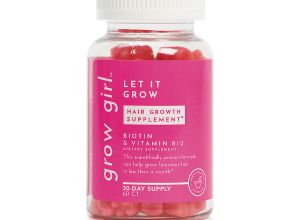
So before you re-up on your monthly hair vitamins try adding these foods to your grocery list and begin implementing them into your diet. They naturally provide all the ingredients of hair vitamins, and usually more.
Ultimately when you increase your intake of these healthy foods, you should try to decrease your intake of those tasty, but unhealthy foods full of sugar, sodium, and unhealthy fats. While there are a variety of foods that provide you with the extra nutrients needed for healthy hair, here are seven key foods to get you started.
Salmon
Rich in Omega-3 fatty acids, which aid in hair and scalp health (amongst other things), Salmon is a magic fish for hair growth. While there are other fish that are also good for hair growth, salmon proves to be one of the best, according to dieticians.
“Salmon is rich in omega-3 fatty acids and proteins that help keep your scalp healthy and your hair shiny, said Andrea Giancoli, a spokeswoman for the American Dietetic Association, in a recent article on LiveStrong.Com.
The Truth @bout Natural Hair With Anu: Growing Hair With Vitamins
Dear Anu,
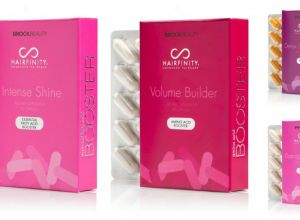
I am looking for a way to grow my hair quickly. Some time ago I went into a salon for a relaxer and a trim something which I do every 4-5 months and unfortunately this women did not do a good job with the trim. She cut more than she trimmed. Needless to say I was not happy with the service given. In my search to grow hair I have come across Hairfinity vitamins. They promise to grow your hair fast and there are a ton of testimonials on youtube. I have taken the Nioxin vitamins in the past and couldn’t really tell if my hair was growing from the vitamins or from me taking better care of my hair. Have you heard of Hairfinity, would you recommend it?
Regards,
Marilyne A


